Managing Eczema Flare-ups: Practical Tips for Relief
Eczema, a chronic inflammatory skin condition, can cause uncomfortable flare-ups that disrupt daily life. Understanding how to manage these flare-ups effectively is essential for finding relief and improving overall skin health.
Eczema, also known as atopic dermatitis, is characterized by dry, itchy, and inflamed skin. While it can affect individuals of all ages, flare-ups are particularly common in children. These episodes can range from mild irritation to severe discomfort, impacting one's physical and emotional well-being.

Understanding Eczema Flare-ups
Eczema flare-ups occur when the skin's natural barrier is compromised, leading to increased inflammation and itching. Triggers such as allergens, irritants, stress, and climate changes can exacerbate symptoms, resulting in redness, swelling, and discomfort.
Practical Tips for Managing Eczema Flare-ups
Skincare Routine: Establishing a gentle skincare routine is crucial for managing eczema. Use mild, fragrance-free cleansers and avoid hot water, which can further dry out the skin.
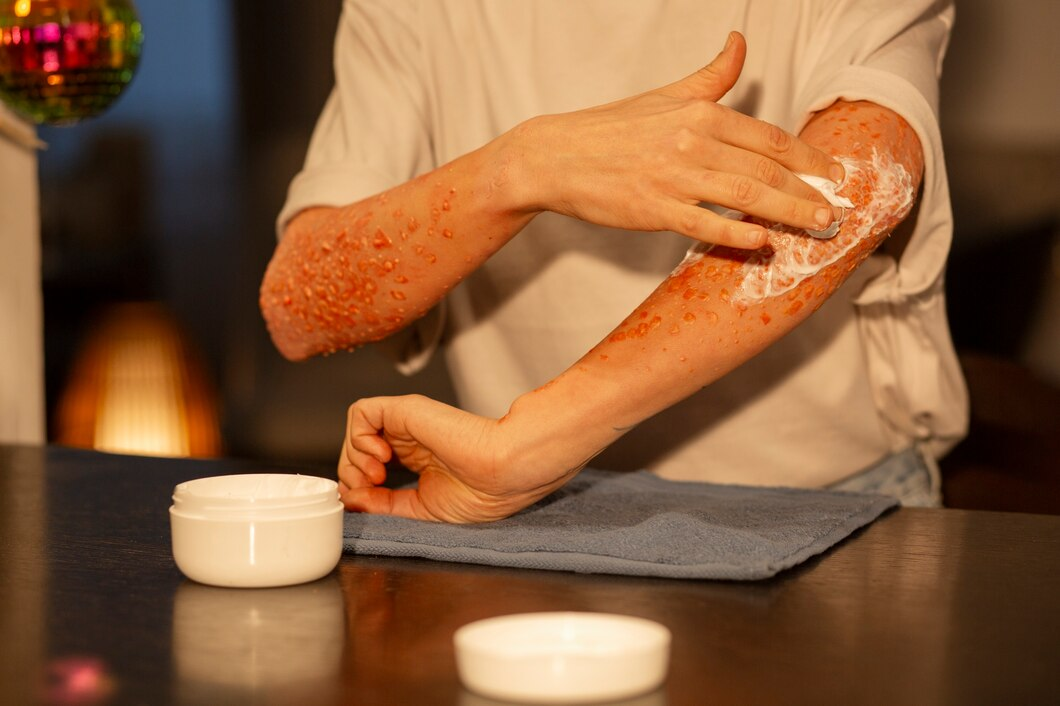
Moisturizing: Regular moisturizing is essential for keeping the skin hydrated and preventing flare-ups. Choose emollients or ointments with ingredients like ceramides or hyaluronic acid to lock in moisture.
Avoiding Irritants: Identify and avoid triggers that can exacerbate eczema symptoms, such as harsh soaps, detergents, and synthetic fabrics. Opt for hypoallergenic products and wear soft, breathable clothing.
Using Topical Treatments: Over-the-counter or prescription topical treatments, such as corticosteroids or calcineurin inhibitors, can help reduce inflammation and relieve itching during flare-ups. Follow your dermatologist's recommendations for safe and effective use.
Stress Management Techniques: Stress can worsen eczema symptoms, so incorporating stress-reducing activities like yoga, meditation, or deep breathing exercises into your daily routine can help manage flare-ups.
Lifestyle Changes for Long-term Relief
Diet Modifications: Some individuals may find relief from eczema by avoiding certain foods that trigger flare-ups, such as dairy, gluten, or nuts. Experiment with elimination diets under the guidance of a healthcare professional to identify potential triggers.
Clothing Choices: Wear loose-fitting, breathable clothing made from natural fibers like cotton or silk to minimize irritation and allow the skin to breathe.
Environmental Considerations: Maintain a comfortable indoor environment by using a humidifier during dry weather and avoiding extremes in temperature and humidity, which can exacerbate eczema symptoms.
Seeking Professional Help
If eczema flare-ups persist despite self-care measures, or if they are particularly severe, it's essential to seek professional help from a dermatologist. They can assess your skin condition, provide personalized treatment recommendations, and prescribe medications or therapies to manage flare-ups effectively.
Conclusion
Managing eczema flare-ups requires a multi-faceted approach that addresses skincare, lifestyle factors, and stress management. By implementing practical tips for relief and seeking professional guidance when needed, individuals can minimize the impact of flare-ups on their daily lives and improve their overall skin health.
FAQs
1. Can eczema flare-ups be prevented entirely?
While it's not always possible to prevent eczema flare-ups entirely, implementing a consistent skincare routine, identifying triggers, and managing stress can help reduce their frequency and severity.
2. Are there any natural remedies that can help relieve eczema symptoms?
Some natural remedies, such as coconut oil, oatmeal baths, and evening primrose oil, may provide relief for mild eczema symptoms. However, it's essential to consult with a healthcare professional before trying any new treatment.
3. Can eczema flare-ups be triggered by seasonal changes?
Yes, changes in temperature, humidity, and environmental allergens can trigger eczema flare-ups in some individuals. It's important to adjust skincare and lifestyle routines accordingly to minimize the impact of seasonal changes on eczema symptoms.
4. Is it safe to use steroid creams for eczema flare-ups long-term?
Long-term use of steroid creams can have side effects such as thinning of the skin and potential systemic absorption of the medication. It's important to use these medications as directed by a healthcare professional and to explore alternative treatments if necessary.
5. Can stress management techniques really help with eczema?
Yes, stress management techniques like mindfulness, meditation, and relaxation exercises can help reduce inflammation and improve skin barrier function, leading to fewer eczema flare-ups in some individuals.


Comments
Post a Comment