Scalp Psoriasis: Topical and Systemic Treatment Options
Scalp psoriasis is a chronic autoimmune condition characterized by the rapid growth of skin cells, leading to thick, red, and scaly patches on the scalp. While it can be challenging to manage, understanding the available treatment options can help individuals find relief and improve their quality of life.
Scalp psoriasis is a subtype of psoriasis, a chronic inflammatory skin condition that affects millions of people worldwide. The visible symptoms of scalp psoriasis, such as itching, flaking, and discomfort, can have a significant impact on one's self-esteem and overall well-being.

Understanding Scalp Psoriasis
Scalp psoriasis occurs when the immune system mistakenly attacks healthy skin cells, causing them to multiply rapidly. This excessive growth leads to the formation of thick, red patches covered with silvery scales. Triggers such as stress, infections, and certain medications can exacerbate symptoms, making flare-ups more frequent and severe.
Topical Treatment Options
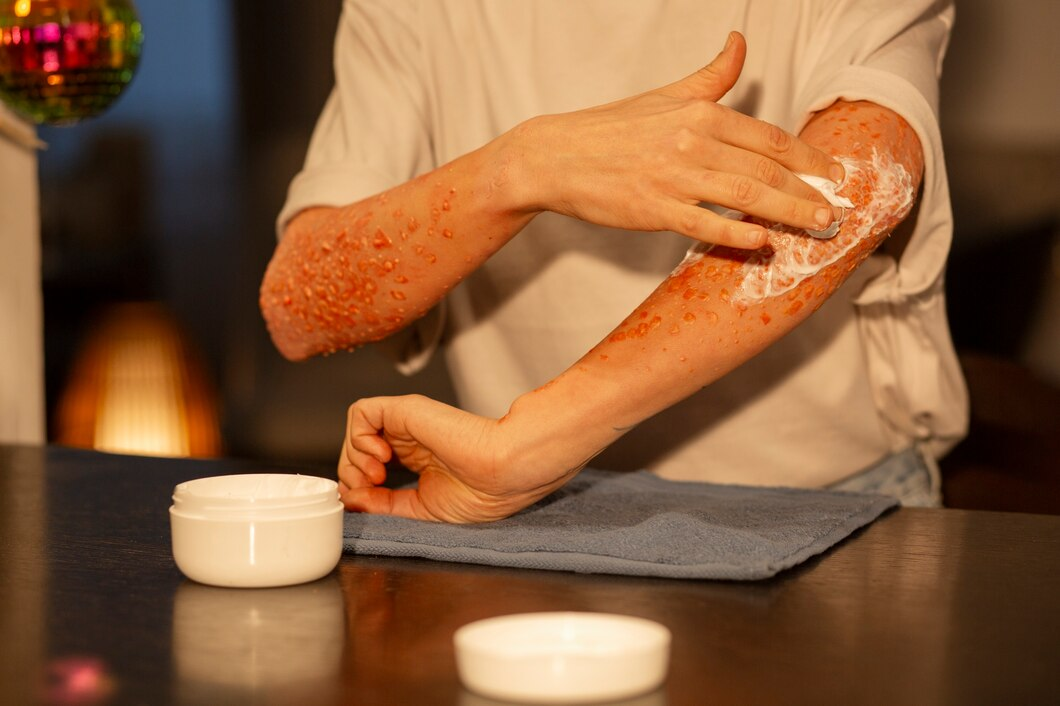
Corticosteroids: These anti-inflammatory medications are commonly prescribed for scalp psoriasis to reduce redness, itching, and inflammation. They are available in various strengths and formulations, including creams, ointments, foams, and shampoos.
Coal Tar Preparations: Coal tar has been used for decades to treat psoriasis due to its anti-inflammatory and anti-itch properties. Coal tar shampoos and solutions can help soften scales and alleviate itching associated with scalp psoriasis.
Salicylic Acid: Salicylic acid is a keratolytic agent that helps to soften and remove scales caused by psoriasis. It is often found in medicated shampoos and scalp treatments, where it can help to exfoliate dead skin cells and promote healthy skin turnover.
Vitamin D Analogs: Topical medications containing vitamin D analogs, such as calcipotriene, can help regulate skin cell growth and reduce inflammation in scalp psoriasis. They are often used in combination with other topical treatments for enhanced efficacy.
Systemic Treatment Options
Methotrexate: Methotrexate is an immunosuppressive medication that works by inhibiting the rapid growth of skin cells in psoriasis. It is usually reserved for severe cases of scalp psoriasis that have not responded to topical treatments.
Cyclosporine: Cyclosporine is another immunosuppressive medication that can be used to treat severe scalp psoriasis. It works by suppressing the immune system's response to inflammation, helping to reduce symptoms and improve overall skin health.
Biologic Medications: Biologic drugs target specific components of the immune system involved in psoriasis, such as tumor necrosis factor-alpha (TNF-alpha) or interleukins. They are administered via injection or infusion and are typically reserved for moderate to severe cases of scalp psoriasis.
Combination Therapy
Combining topical and systemic treatments can provide enhanced efficacy and improved symptom control for individuals with severe scalp psoriasis. This approach allows for targeted treatment of both surface symptoms and underlying inflammation, leading to better long-term outcomes.
Lifestyle Management Strategies
In addition to medical treatments, certain lifestyle changes can help manage scalp psoriasis and reduce the frequency of flare-ups. Establishing a scalp care routine using gentle cleansers and moisturizers, practicing stress management techniques such as meditation or yoga, and maintaining a balanced diet rich in anti-inflammatory foods can all contribute to improved skin health.
Conclusion
Scalp psoriasis can be a challenging condition to manage, but with the right combination of topical and systemic treatments, individuals can find relief from symptoms and improve their quality of life. It's essential to work closely with a dermatologist to develop a personalized treatment plan tailored to your unique needs and preferences.
FAQs
1. Are there any natural remedies that can help with scalp psoriasis?
While some natural remedies such as coconut oil, aloe vera, and tea tree oil may provide temporary relief from scalp psoriasis symptoms, their effectiveness varies from person to person. It's essential to consult with a healthcare professional before trying any new treatment.
2. Can scalp psoriasis spread to other parts of the body?
While scalp psoriasis primarily affects the scalp, it can sometimes spread to other areas of the body, such as the ears, neck, or forehead. It's important to monitor for any new or changing symptoms and seek medical attention if necessary.
3. Is scalp psoriasis contagious?
No, scalp psoriasis is not contagious and cannot be spread through contact with affected individuals. It is an autoimmune condition caused by genetic and environmental factors.
4. Can stress worsen scalp psoriasis symptoms?
Yes, stress is a known trigger for psoriasis flare-ups, including scalp psoriasis. Practicing stress management techniques such as meditation, deep breathing exercises, or relaxation techniques can help reduce symptoms and improve overall skin health.
5. How long does it take to see results with scalp psoriasis treatments?
The timeline for seeing results with scalp psoriasis treatments varies from person to person and depends on factors such as the severity of the condition and the chosen treatment approach. It's essential to be patient and consistent with your treatment regimen while working closely with your healthcare provider to monitor progress and make adjustments as needed.


Comments
Post a Comment