Managing Psoriasis in Different Seasons: Summer and Winter Care
Relevance of Seasonal Care
Psoriasis symptoms can vary with the changing seasons. Different weather conditions, such as the heat of summer and the cold of winter, can exacerbate or alleviate symptoms. Proper management tailored to each season is crucial for minimizing discomfort and flare-ups.

Types and Categories
Common Types of Psoriasis
Plaque Psoriasis: The most common form, causing dry, raised, red skin lesions covered with silvery scales.
Guttate Psoriasis: Characterized by small, water-drop-shaped sores on the trunk, arms, legs, and scalp.
Inverse Psoriasis: Causes bright red, shiny lesions that appear in skin folds.
Pustular Psoriasis: Features white pustules surrounded by red skin.
Erythrodermic Psoriasis: A rare, life-threatening type that leads to widespread redness and scaling of the skin.Click here for more information.
Seasonal Variations
Winter Psoriasis: Symptoms often worsen due to dry air, low humidity, and reduced sunlight exposure.
Summer Psoriasis: Symptoms can improve with increased sunlight, but heat and humidity may also trigger flare-ups in some individuals.
Symptoms and Signs
Common Symptoms
Red patches of skin covered with thick, silvery scales.
Dry, cracked skin that may bleed.
Itching, burning, or soreness.
Thickened or ridged nails.
Swollen and stiff joints.
Uncommon Symptoms
Severe outbreaks covering large areas of the body.
Painful lesions.
Pustules in pustular psoriasis.
Generalized symptoms like fever in erythrodermic psoriasis.
Causes and Risk Factors
Biological Factors
Genetics: Family history of psoriasis or other autoimmune diseases.
Immune System: Overactive T-cells attacking healthy skin cells.
Environmental Factors
Climate: Cold, dry weather can trigger flare-ups.
Sunlight: Limited exposure can worsen symptoms, while controlled exposure can be beneficial.
Lifestyle Factors
Stress: Can trigger or exacerbate psoriasis.
Smoking and Alcohol: Increase the risk and severity of the condition.
Diet: Certain foods may trigger symptoms.
Diagnosis and Tests
Initial Assessment
Physical Examination: Visual inspection of the skin, nails, and scalp.
Medical History: Family history, lifestyle, and symptom duration.
Diagnostic Tests
Skin Biopsy: A small sample of skin is examined under a microscope.
Blood Tests: To rule out other conditions and check for related health issues.
Treatment Options
Medical Treatments
Topical Treatments: Corticosteroids, vitamin D analogues, retinoids, calcineurin inhibitors.
Phototherapy: Controlled exposure to ultraviolet light.
Systemic Medications: Oral or injected medications like methotrexate, cyclosporine, and biologics.
Lifestyle Adjustments
Diet and Nutrition: Anti-inflammatory diets, omega-3 fatty acids, and maintaining a healthy weight.
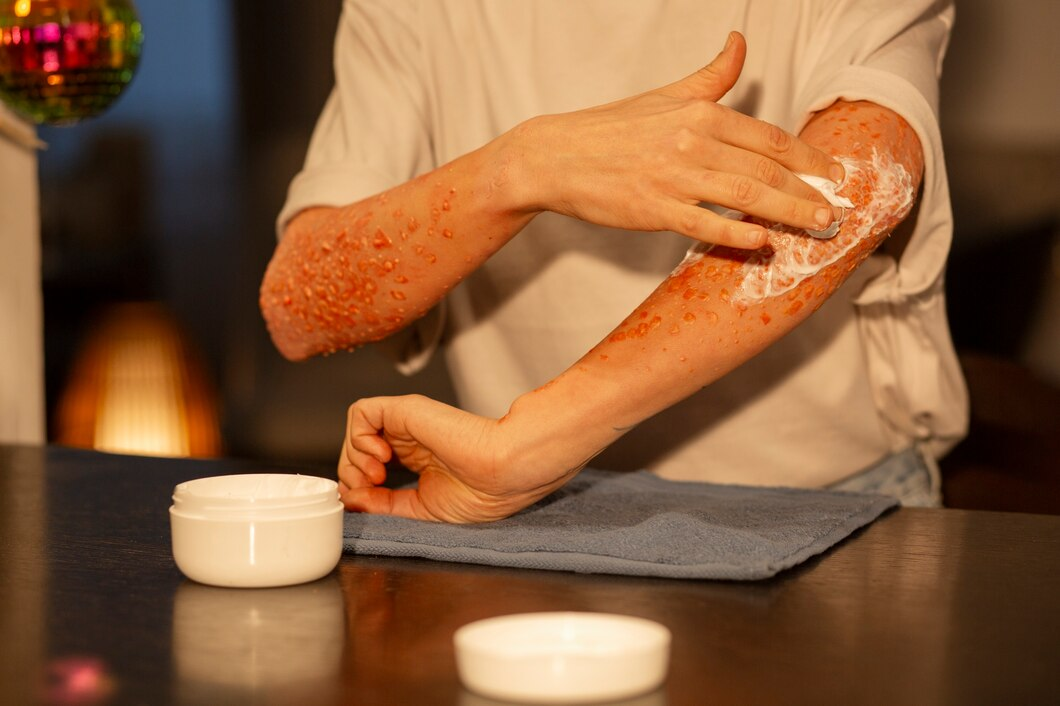
Skincare Routine: Using gentle, fragrance-free products, regular moisturizing.
Preventive Measures
General Tips
Moisturize Regularly: Prevents dry skin and reduces the risk of flare-ups.
Avoid Triggers: Identifying and avoiding personal triggers such as stress, certain foods, and smoking.
Seasonal Strategies
Winter Care: Use a humidifier, wear layers to avoid overheating, and take short, lukewarm showers.
Summer Care: Use sunscreen, stay hydrated, and avoid prolonged exposure to heat.
Personal Stories or Case Studies
Case Study 1: Managing Winter Psoriasis
Background: Jane, a 34-year-old woman with plaque psoriasis, struggles with severe flare-ups during winter.
Approach: Implemented a strict moisturizing routine, used a humidifier, and started light therapy.
Outcome: Significant reduction in symptoms and improved quality of life.
Case Study 2: Summer Psoriasis Management
Background: John, a 42-year-old man, experiences flare-ups in hot and humid conditions.
Approach: Increased hydration, applied broad-spectrum sunscreen, and avoided outdoor activities during peak sun hours.
Outcome: Fewer flare-ups and better skin condition throughout the summer.
Expert Insights
Dermatologist Recommendations
Dr. Smith: “Consistent skincare routines tailored to the season can make a substantial difference in managing psoriasis symptoms.”
Dr. Lee: “Phototherapy during the winter months can help reduce flare-ups caused by lack of sunlight.”
Managing Psoriasis in Different Seasons: Summer and Winter Care FAQs
Q1. How can I protect my psoriasis from the summer sun?
Sunlight can improve psoriasis for some people. However, excessive sun exposure can also worsen flare-ups. Here are some tips:
Limit sun exposure: Avoid peak sun hours (10 am to 4 pm) and seek shade whenever possible.
Sunscreen is key: Apply SPF 30 or higher broad-spectrum sunscreen generously and reapply every two hours, especially after swimming or sweating.
Protective clothing: Wear loose-fitting, breathable clothing that covers your psoriatic plaques.
Q2. What about swimming and chlorinated pools?
Chlorine can irritate psoriasis. Here's how to minimize the impact:
Take a cool shower after swimming: Rinse off chlorine immediately after swimming to remove irritants.
Moisturize well: Apply a thick moisturizer after showering to replenish moisture lost in the pool.
Consider saltwater swimming: If possible, opt for swimming in the ocean as saltwater can be less irritating for some people with psoriasis.
Q3. How can I manage sweating and psoriasis in summer?
Sweating can irritate psoriasis. Here are some tips:
Stay cool: Use air conditioning, fans, and wear breathable clothing to stay cool and minimize sweating.
Loose clothing: Opt for loose-fitting, natural fabrics like cotton or linen that allow your skin to breathe.
Gentle cleansing: Avoid harsh soaps and opt for lukewarm showers instead of hot baths.
Q4. How does cold weather affect psoriasis?
Cold weather can worsen psoriasis symptoms by drying out the skin. Here's how to manage it:
Moisturize religiously: Use a thick, fragrance-free moisturizer regularly to keep your skin hydrated. Apply it more often in dry winter weather.
Humidifier: Consider using a humidifier at home to add moisture to the air and prevent dry skin.
Lukewarm showers: Avoid hot showers and baths, which can strip your skin of natural oils. Opt for lukewarm water and limit bath time.
Q5. What about managing psoriasis during the holiday season?
Stress can trigger psoriasis flare-ups. Here are some tips for managing stress during the holidays:
Prioritize sleep: Getting enough sleep is crucial for overall health and can help manage stress.
Delegate and say no: Don't overload yourself with commitments. Delegate tasks and politely decline invitations if needed.
Relaxation techniques: Practice relaxation techniques like yoga, meditation, or deep breathing to manage stress.
Conclusion:
Managing psoriasis effectively requires a comprehensive approach that considers seasonal changes. Winter and summer present unique challenges and opportunities for symptom control. By adopting tailored strategies for each season, individuals with psoriasis can achieve better skin health and overall well-being.


Comments
Post a Comment