Psoriasis and Alcohol Consumption: Understanding the Connection
Types and Categories of Psoriasis
Plaque Psoriasis
Plaque psoriasis is the most common type, accounting for about 80–90% of cases. It is characterized by raised, inflamed, red lesions covered by silvery-white scales. These plaques often appear on the elbows, knees, scalp, and lower back.

Guttate Psoriasis
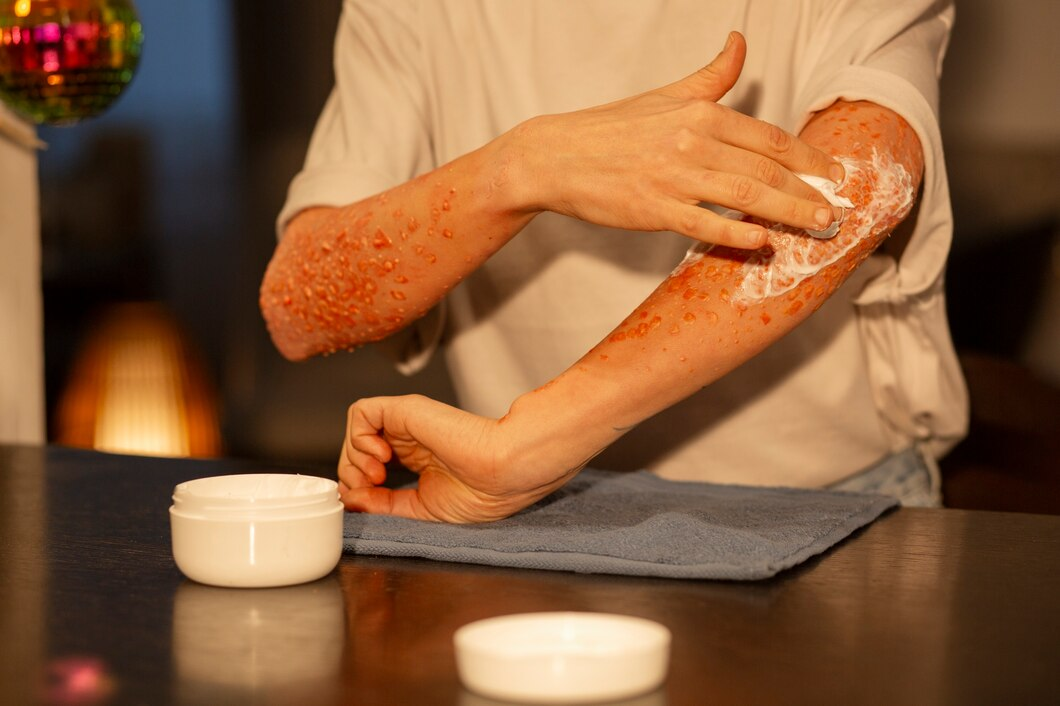
Guttate psoriasis appears as small, dot-like lesions. This type often starts in childhood or young adulthood and can be triggered by a streptococcal infection.Click here for more information.
Inverse Psoriasis
Inverse psoriasis appears as bright red, shiny lesions that occur in skin folds such as the armpits, groin, and under the breasts. The lesions are smooth and often more susceptible to irritation due to friction and sweating.
Pustular Psoriasis
Pustular psoriasis is characterized by white pustules (blisters of noninfectious pus) surrounded by red skin. It can be localized to certain areas like the hands and feet or cover most of the body.
Erythrodermic Psoriasis
Erythrodermic psoriasis is a severe and very rare type that leads to widespread redness and scaling of the skin. It can cover large areas of the body and can be life-threatening, requiring immediate medical attention.
Symptoms and Signs
Common Symptoms
Red patches of skin covered with thick, silvery scales
Dry, cracked skin that may bleed
Itching, burning, or soreness
Thickened, pitted, or ridged nails
Swollen and stiff joints
Uncommon Symptoms
Extensive flare-ups covering large body areas
Severe itching and pain that disrupt daily activities
Nail detachment
Pus-filled blisters (in pustular psoriasis)
Psychological Symptoms
Depression
Anxiety
Low self-esteem
Causes and Risk Factors
Genetic Factors
Psoriasis tends to run in families, suggesting a genetic predisposition. Specific genes linked to the immune system, such as HLA-Cw6, are associated with a higher risk.
Immune System
Psoriasis is an autoimmune disorder where the immune system mistakenly attacks healthy skin cells, causing rapid cell turnover.
Environmental Triggers
Stress
Skin injuries (Koebner phenomenon)
Infections (especially streptococcal infections)
Cold weather
Smoking
Lifestyle Factors
Alcohol Consumption
Heavy alcohol use is a significant risk factor for psoriasis flare-ups. Alcohol can affect the immune system and increase inflammation, exacerbating psoriasis symptoms.
Smoking
Smoking is another major risk factor that can worsen psoriasis and reduce the effectiveness of treatments.
Diagnosis and Tests
Physical Examination
Diagnosis usually begins with a thorough physical examination of the skin, nails, and scalp.
Biopsy
A skin biopsy, where a small sample of skin is taken and examined under a microscope, can help confirm the diagnosis and rule out other skin disorders.
Blood Tests
Blood tests may be conducted to rule out other conditions or to monitor the impact of treatments.
Imaging Tests
In cases where psoriatic arthritis is suspected, imaging tests like X-rays or MRI may be used to assess joint damage.
Treatment Options
Topical Treatments
Corticosteroids: These are anti-inflammatory drugs that reduce swelling and redness.
Vitamin D Analogues: Calcipotriene and calcitriol help slow skin cell growth.
Retinoids: These compounds, derived from vitamin A, help normalize skin cell growth.
Phototherapy
Exposure to ultraviolet (UV) light under medical supervision can help reduce symptoms.
Systemic Medications
Methotrexate: This immunosuppressant can reduce the production of skin cells and suppress inflammation.
Cyclosporine: Another immunosuppressant, effective for severe cases.
Biologics: These are advanced drugs that target specific parts of the immune system. Examples include adalimumab, etanercept, and infliximab.
Lifestyle Adjustments
Stress management techniques such as yoga and meditation.
A healthy diet rich in anti-inflammatory foods.
Avoiding alcohol and smoking.
Preventive Measures
Skincare
Regular moisturizing to prevent dryness and scaling.
Gentle skincare products to avoid irritation.
Stress Management
Regular exercise
Mindfulness and meditation
Diet and Nutrition
Anti-inflammatory diet including omega-3 fatty acids, fruits, and vegetables.
Avoiding trigger foods that may cause flare-ups.
Avoiding Triggers
Protecting skin from injuries and sunburn.
Avoiding known personal triggers, such as certain foods or stressors.
Personal Stories or Case Studies
John’s Journey with Psoriasis
John, a 35-year-old office worker, has lived with plaque psoriasis for over a decade. He noticed significant flare-ups during periods of heavy drinking. After reducing his alcohol intake and adopting a healthier lifestyle, John experienced fewer flare-ups and a better quality of life.
Maria’s Struggle and Success
Maria, a young mother, was diagnosed with inverse psoriasis. Stress from balancing work and family life exacerbated her condition. By incorporating stress management techniques and reducing alcohol consumption, Maria managed to control her symptoms effectively.
Expert Insights
Dr. Jane Smith, Dermatologist
“Alcohol can significantly impact psoriasis by affecting the immune system and increasing inflammation. Reducing alcohol intake is crucial for managing symptoms and improving treatment outcomes.”
Dr. Robert Johnson, Rheumatologist
“Patients with psoriatic arthritis should be particularly cautious with alcohol. It can interfere with medications and worsen joint symptoms.”
Psoriasis and Alcohol Consumption: Understanding the Connection FAQs
Q1. Can alcohol consumption worsen psoriasis symptoms?
For some people, yes. Alcohol consumption may trigger or exacerbate psoriasis flare-ups. This is likely because alcohol can:
Increase inflammation in the body
Dehydrate the skin
Interfere with the effectiveness of certain psoriasis medications
Q2. Is there a specific type of alcohol that’s worse for psoriasis?
While research isn’t conclusive, some studies suggest beer and sugary alcoholic drinks might be more likely to worsen psoriasis symptoms compared to wine or liquor.
Q3. How much alcohol consumption can affect psoriasis?
The impact of alcohol on psoriasis can vary depending on the individual. Some people may experience worse symptoms even with moderate drinking, while others may not be significantly affected.
Q4. Should I completely avoid alcohol if I have psoriasis?
Not necessarily. If you notice alcohol triggers your psoriasis, moderation or abstinence might be helpful. However, consulting a doctor is crucial for personalized advice. They can consider your specific situation and recommend the best approach.
Q5. Are there any other lifestyle factors that can help manage psoriasis alongside reducing alcohol intake?
Yes! Here are some lifestyle changes that can benefit psoriasis management:
Maintaining a healthy weight: Obesity can worsen psoriasis symptoms.
Managing stress: Stress can be a trigger for psoriasis flare-ups. Relaxation techniques like yoga or meditation can be helpful.
Quitting smoking: Smoking is a known risk factor for psoriasis and can worsen symptoms.
Following a healthy diet: A balanced diet rich in fruits, vegetables, and healthy fats may improve psoriasis symptoms.
Conclusion:
The connection between psoriasis and alcohol consumption is clear: alcohol can exacerbate symptoms and hinder treatment effectiveness. Understanding this relationship and taking proactive steps to manage alcohol intake can significantly improve the quality of life for those living with psoriasis. By adopting a holistic approach that includes medical treatments, lifestyle changes, and stress management, individuals can better control their symptoms and lead healthier lives.


Comments
Post a Comment