The Role of Stress in Eczema Flare-ups
Defining Eczema
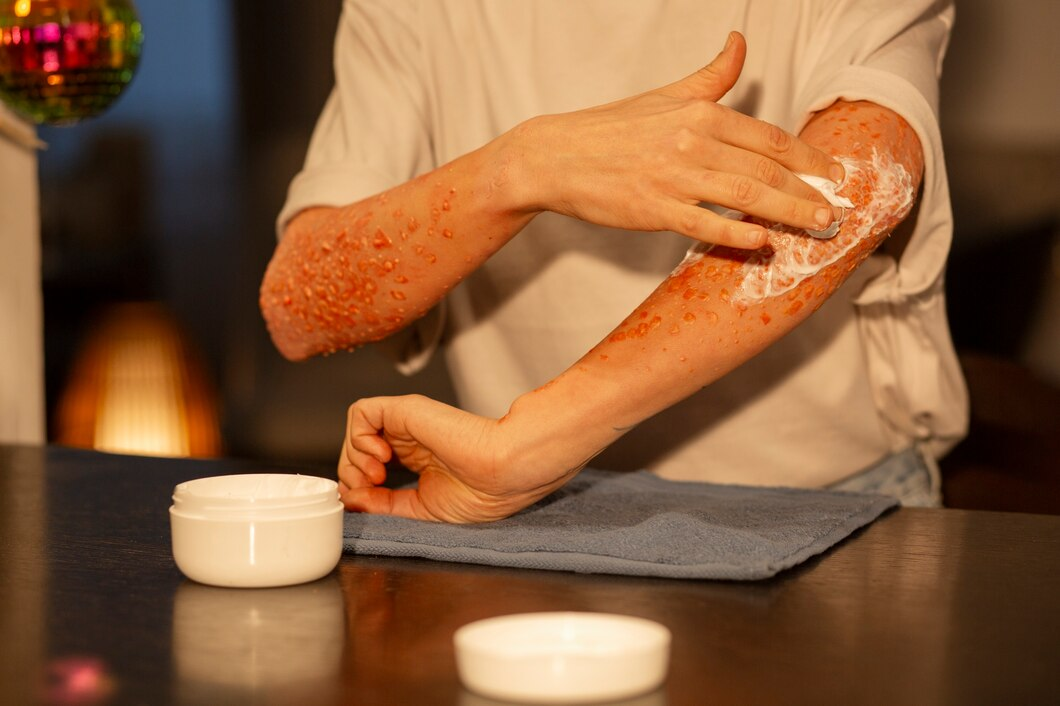
Eczema, also known as atopic dermatitis, is a chronic skin condition characterized by itchy, inflamed, and often dry patches of skin. It affects individuals of all ages, although it is most common in children.

The Relevance and Importance of Understanding Eczema
Understanding eczema is crucial due to its widespread prevalence and significant impact on quality of life. Eczema can cause considerable discomfort and psychological distress, making effective management essential.Click here for more information.
Stress and Its General Impact on Health
Stress is a natural response to challenging situations, but chronic stress can have numerous adverse effects on health. It can exacerbate various conditions, including eczema, by weakening the immune system and increasing inflammation.
Types and Categories of Eczema
Atopic Dermatitis
Atopic dermatitis is the most common form of eczema, often beginning in childhood and associated with other atopic conditions such as asthma and hay fever.
Contact Dermatitis
Contact dermatitis occurs when the skin reacts to direct contact with an irritant or allergen, leading to inflammation and itching.
Dyshidrotic Eczema
Dyshidrotic eczema involves the development of small, itchy blisters on the edges of the fingers, toes, palms, and soles.
Nummular Eczema
Nummular eczema presents as coin-shaped spots of irritated skin that can be very itchy and are often triggered by dry skin.
Seborrheic Dermatitis
Seborrheic dermatitis is characterized by scaly patches, red skin, and stubborn dandruff, typically affecting oily areas of the body such as the face and scalp.
Stasis Dermatitis
Stasis dermatitis occurs due to poor circulation, often in the lower legs, leading to swelling, redness, and scaling.
Symptoms and Signs of Eczema
Common Symptoms
Intense itching
Red or brownish-gray patches
Small, raised bumps that may leak fluid
Thickened, cracked, or scaly skin
Raw, sensitive skin from scratching
Uncommon Symptoms
Blisters, especially in dyshidrotic eczema
Severe cracking and bleeding
Secondary infections from open sores
Causes and Risk Factors
Biological Factors
Genetic predisposition
Immune system dysfunction
Skin barrier defects
Environmental Factors
Exposure to allergens and irritants
Climate and weather changes
Pollution and tobacco smoke
Lifestyle Factors
Stress and emotional health
Diet and nutrition
Hygiene practices
Diagnosis and Tests
Medical History and Physical Examination
Diagnosis often begins with a detailed medical history and physical examination to identify characteristic symptoms and possible triggers.
Patch Testing
Patch testing helps identify specific allergens that may be causing contact dermatitis.
Blood Tests
Blood tests, including IgE level measurement, can indicate allergic responses and help in diagnosing atopic conditions.
Skin Biopsy
In some cases, a skin biopsy may be performed to rule out other skin conditions and confirm an eczema diagnosis.
Treatment Options
Medical Treatments
Topical corticosteroids and calcineurin inhibitors
Systemic medications, including immunosuppressants
Biologic drugs for severe cases
Therapies
Phototherapy
Wet wrap therapy
Behavioral therapy for stress management
Lifestyle Adjustments
Regular moisturizing
Avoiding known triggers
Stress reduction techniques
Preventive Measures
Skincare Routine
Daily moisturizing
Using gentle, fragrance-free products
Bathing practices to retain skin moisture
Environmental Controls
Managing indoor humidity
Using air purifiers
Avoiding extreme temperatures
Stress Management
Mindfulness and relaxation techniques
Regular physical activity
Adequate sleep
Personal Stories or Case Studies
Real-life Implications
Personal stories from individuals with eczema highlight the challenges and successes in managing the condition, providing hope and practical tips for others.
Expert Insights
Quotes and Advice from Medical Professionals
Dermatologists and allergists provide expert insights on the latest treatments, management strategies, and the role of stress in eczema flare-ups.
The Role of Stress in Eczema Flare-ups: FAQs
Q1. Does stress cause eczema?
Stress isn't a direct cause of eczema, but it can be a significant trigger for flare-ups in people who already have the condition.
Q2. How does stress worsen eczema?
When stressed, the body releases hormones like cortisol. This hormone can worsen eczema symptoms in a few ways:
Inflammation: Cortisol contributes to inflammation throughout the body, including the skin, which can exacerbate eczema's itchiness and redness.
Skin barrier disruption: Stress can weaken the skin barrier, making it more susceptible to irritation and infection, worsening eczema symptoms.
Scratching: Stress can lead to increased anxiety and a desire to scratch, further damaging the skin and prolonging flare-ups.
Q3. Am I more likely to experience stress-induced eczema flare-ups if I have severe eczema?
Not necessarily. Even people with mild eczema can experience flare-ups triggered by stress.
Q4. What are some signs that stress might be triggering my eczema?
Your eczema worsens during stressful periods.
You notice a correlation between stressful events and the onset of flare-ups.
You find yourself scratching more when stressed.
Q5. How can I manage stress to reduce eczema flare-ups?
Here are some strategies:
Identify and address stressors: Make a list of your stressors and explore ways to manage or eliminate them.
Relaxation techniques: Practice relaxation techniques like yoga, meditation, or deep breathing exercises to manage stress effectively.
Healthy lifestyle habits: Prioritize good sleep, regular exercise, and a balanced diet to support overall well-being and reduce stress.
Time management: Learn effective time management skills to avoid feeling overwhelmed.
Seek support: Talk to a therapist or counselor for additional support in managing stress.
Q6. Should I talk to my doctor about stress and eczema?
Absolutely! Your doctor can help you identify your stress triggers and develop a personalized plan to manage both stress and eczema.
Q7. Are there any medications that can help with stress-induced eczema?
While there are no medications specifically for stress-induced eczema, your doctor may recommend medications to manage eczema symptoms like topical steroids or anti-itch creams. Additionally, they may suggest medications for anxiety if it's a significant contributor to your stress.
Conclusion:
Eczema is a complex condition influenced by various factors, including stress. Effective management involves a combination of medical treatments, lifestyle adjustments, and stress reduction.


Comments
Post a Comment