Dry Skin and Psoriasis: Hydration Strategies for Relief
1. Understanding Dry Skin and Psoriasis
Dry skin and psoriasis are two common dermatological conditions that can cause discomfort and distress for those affected. Dry skin, or xerosis, occurs when the skin loses moisture, leading to tightness, flakiness, and sometimes itching or cracking. Psoriasis, on the other hand, is a chronic autoimmune condition characterized by the rapid buildup of skin cells, resulting in thick, red patches covered with silvery scales.

2. The Importance of Hydration
Hydration plays a crucial role in maintaining healthy skin, especially for individuals dealing with dry skin or psoriasis. Adequate hydration helps to replenish moisture, soothe irritation, and promote skin barrier function. Without proper hydration, the skin becomes more susceptible to dryness, inflammation, and flare-ups of psoriasis symptoms.Click here to visit more.
Hydration Strategies for Dry Skin and Psoriasis Relief
1. Moisturize Regularly
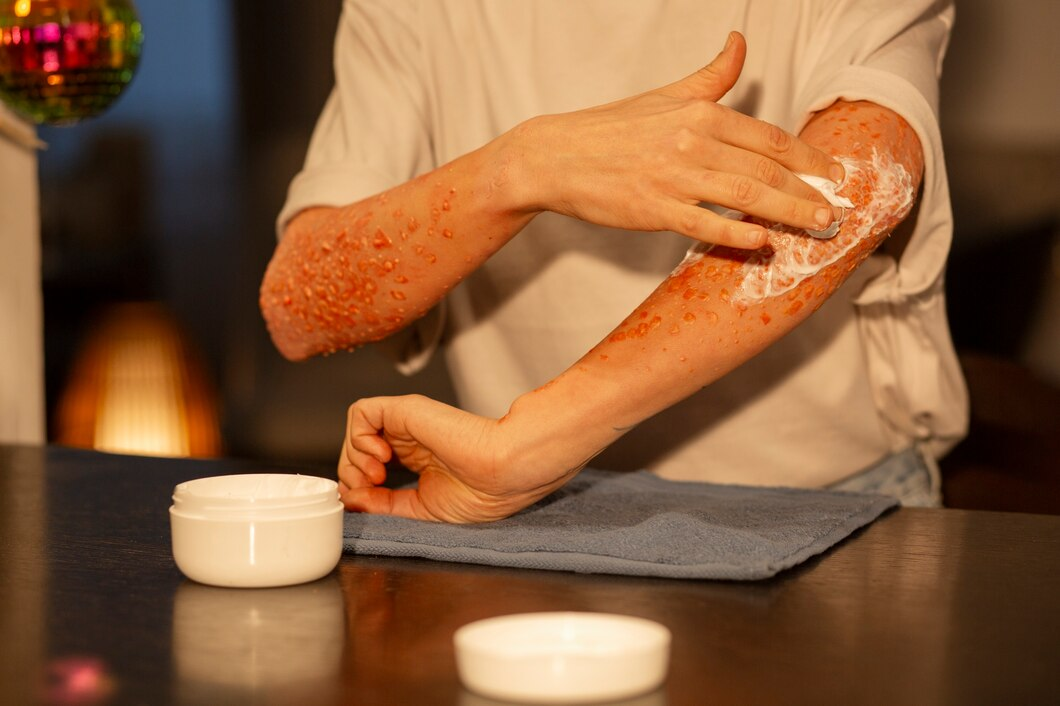
Applying moisturizer is essential for combating dry skin and managing psoriasis symptoms. Opt for creams or ointments that contain emollients and humectants to lock in moisture and prevent water loss from the skin. Apply moisturizer immediately after bathing or showering to seal in moisture while the skin is still damp.
2. Use Gentle Cleansers
Avoid harsh soaps and cleansers that can strip the skin of its natural oils, exacerbating dryness and irritation. Instead, opt for gentle, fragrance-free cleansers that hydrate and cleanse without causing further damage to the skin barrier. Look for products labeled as non-comedogenic and pH-balanced to maintain the skin's natural balance.
3. Take Short, Lukewarm Baths
Long, hot showers or baths can strip the skin of its natural oils and worsen dryness and irritation. Opt for shorter, lukewarm baths or showers to minimize moisture loss and avoid triggering psoriasis flare-ups. Add oatmeal or baking soda to the bathwater to soothe dry, itchy skin and promote healing.
4. Invest in a Humidifier
Using a humidifier in your home can help add moisture to the air, preventing dry skin and reducing the risk of psoriasis flare-ups. Place a humidifier in the rooms where you spend the most time, especially during the winter months when indoor heating can dry out the air.
5. Stay Hydrated
Drinking an adequate amount of water is essential for maintaining overall hydration levels and supporting skin health. Aim to drink at least eight glasses of water per day, and increase your intake if you're physically active or exposed to dry or windy conditions.
6. Protect Your Skin
Shield your skin from harsh environmental factors that can exacerbate dryness and trigger psoriasis flare-ups. Wear protective clothing, such as long sleeves and wide-brimmed hats, when outdoors, and use sunscreen with a high SPF to protect against UV damage.
7. Choose Skincare Products Wisely
When selecting skincare products, opt for fragrance-free, hypoallergenic formulations that are specifically designed for sensitive or dry skin. Avoid products containing alcohol, fragrances, or other potential irritants that can aggravate psoriasis symptoms.
FAQ’S
Q1. What causes dry skin?
Dry skin can be caused by a variety of factors, including weather, hot showers or baths, harsh soaps, age, and certain medical conditions. In some cases, genetics may also play a role in predisposing individuals to dry skin.
Q2. How does hydration help with dry skin and psoriasis?
Hydration helps to replenish moisture in the skin, soothe irritation, and promote skin barrier function. For individuals with psoriasis, proper hydration can help reduce the severity of symptoms and minimize flare-ups.
Q3. What are the common triggers for psoriasis flare-ups?
Psoriasis flare-ups can be triggered by stress, infections, certain medications, alcohol consumption, smoking, and skin injuries. Identifying and avoiding these triggers can help manage the condition more effectively.
Q4. Are there any dietary changes that can help improve dry skin and psoriasis?
Some individuals may find that certain dietary changes, such as reducing their intake of processed foods, sugar, and alcohol, and increasing their consumption of omega-3 fatty acids, fruits, and vegetables, can help improve their skin health and reduce psoriasis symptoms.
Q5. Can over-the-counter moisturizers help with psoriasis?
While over-the-counter moisturizers can help hydrate the skin and alleviate dryness associated with psoriasis, they may not be sufficient to manage more severe symptoms. In such cases, prescription-strength topical treatments or systemic medications may be necessary.
Q6. Is it safe to use a humidifier for psoriasis relief?
Using a humidifier can help add moisture to the air, which can benefit individuals with dry skin and psoriasis. However, it's essential to clean the humidifier regularly to prevent the growth of mold and bacteria, which can exacerbate skin issues.
Conclusion:
Managing dry skin and psoriasis requires a comprehensive approach that focuses on hydration and skin barrier repair. By incorporating these hydration strategies into your daily routine, you can help alleviate discomfort, reduce inflammation, and improve the overall health and appearance of your skin.


Comments
Post a Comment