Eczema and Infections: Preventative Measures
Understanding Eczema and Its Impact on Skin Health
Eczema, also known as atopic dermatitis, is a chronic skin condition characterized by inflamed, itchy patches of skin. It affects millions worldwide, often starting in childhood and continuing into adulthood. The primary symptoms include redness, dryness, and intense itching, which can lead to scratching and skin damage. This damage increases susceptibility to infections, making infection prevention crucial for managing eczema effectively.

Importance of Preventing Infections in Eczema Patients
Infections are a significant concern for individuals with eczema due to compromised skin barrier function. The scratching associated with eczema lesions can break the skin, allowing bacteria, viruses, and fungi to enter and cause infections. Common infections include bacterial infections (such as Staphylococcus aureus), viral infections (like herpes simplex), and fungal infections (such as Candida). These infections not only exacerbate eczema symptoms but also pose general health risks.Click here for information.
Effective Preventative Measures
Proper Skincare Regimen
Maintaining a healthy skincare regimen is paramount for preventing infections in eczema patients. This includes:
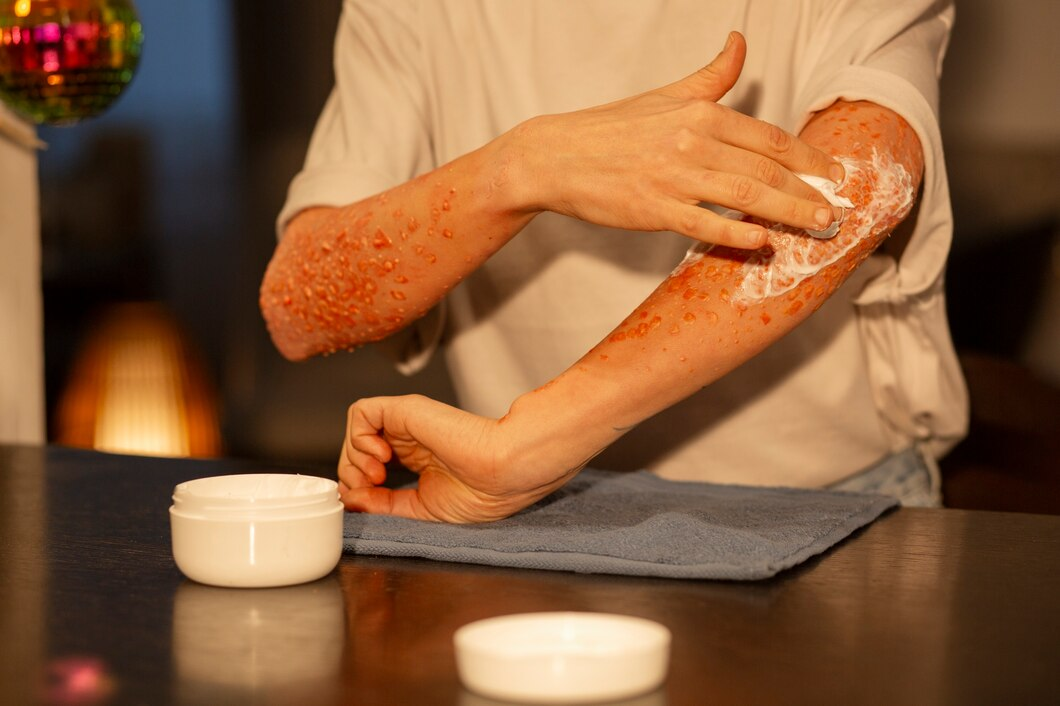
Regular Moisturization: Keeping the skin well-hydrated with emollients helps maintain the skin barrier and reduces dryness, which can prevent cracking and entry points for pathogens.
Gentle Cleansing: Using mild, fragrance-free cleansers to avoid irritation and drying out the skin.
Avoiding Irritants: Identifying and avoiding triggers such as harsh soaps, detergents, and wool clothing that can aggravate eczema.
Managing Itch and Inflammation
Itch control is crucial in preventing infections as scratching can break the skin. Techniques to manage itch include:
Topical Steroids: Prescribed by healthcare providers to reduce inflammation and itching.
Antihistamines: Oral medications that help control severe itching.
Cool Compresses: Applying cool, damp cloths to affected areas can provide relief from itching.
Preventing Skin Damage
Minimizing skin damage is key to infection prevention. Tips to prevent skin damage include:
Trimming Nails: Keeping nails short and smooth to reduce the risk of accidental scratching.
Cotton Gloves: Wearing cotton gloves at night to prevent scratching during sleep.
Avoiding Hot Baths: Opting for lukewarm baths and showers to avoid drying out the skin.
Monitoring for Signs of Infection
It's essential to monitor the skin for any signs of infection, such as increased redness, swelling, warmth, or pus-filled bumps. Prompt medical attention is necessary if infection is suspected, as early treatment can prevent complications.
FAQs of Eczema and Infections: Preventative Measures
Q1: What is eczema?
Eczema, or atopic dermatitis, is a chronic skin condition characterized by inflamed, itchy patches of skin. It commonly appears on the face, hands, elbows, and knees. Eczema is not contagious and varies in severity from person to person.
Q2:Why are infections a concern for people with eczema?
People with eczema have a compromised skin barrier, making it easier for bacteria, viruses, and fungi to penetrate the skin and cause infections. The intense itching associated with eczema can lead to scratching, further damaging the skin and increasing the risk of infections.
Q3: How can infections in eczema be prevented?
Skincare Regimen
Maintaining a proper skincare routine is essential:
Moisturize regularly: Keeping the skin hydrated with moisturizers helps to strengthen the skin barrier and reduce dryness, preventing cracks that can harbor bacteria.
Use gentle cleansers: Avoid harsh soaps and cleansers that can irritate the skin.
Avoid triggers: Identify and avoid triggers such as certain fabrics, harsh chemicals, and allergens that can exacerbate eczema and increase infection risk.
Itch Management
Controlling itchiness is crucial to prevent skin damage:
Topical treatments: Use prescribed corticosteroid creams or ointments to reduce inflammation and itching.
Antihistamines: Oral antihistamines can help alleviate severe itching.
Cool compresses: Applying cool, wet compresses to itchy areas can provide relief and prevent scratching.
Skin Protection
Take measures to protect the skin from damage:
Keep nails short: Trim nails regularly to minimize damage from scratching.
Wear comfortable clothing: Choose soft, breathable fabrics like cotton to reduce irritation.
Avoid hot baths: Opt for lukewarm water and limit bathing time to avoid drying out the skin.
Q4: What are the signs of infection in eczema?
Signs of infection include:
Increased redness and swelling of the affected area.
Pain or tenderness.
Warmth around the rash.
Pus or fluid-filled bumps.
If you notice any signs of infection, seek medical attention promptly.
Conclusion
Preventing infections in individuals with eczema requires a comprehensive approach that focuses on maintaining skin health, managing symptoms effectively, and recognizing early signs of infection. By following these preventative measures diligently, individuals can reduce the frequency and severity of infections associated with eczema, leading to improved overall skin health and quality of life.


Comments
Post a Comment