Photodynamic Therapy for Acne: Procedure Overview
What is Photodynamic Therapy (PDT)?
Photodynamic Therapy is a medical treatment that uses a photosensitizing agent (a light-sensitive compound) and a specific wavelength of light to target and destroy abnormal or diseased cells. Initially developed for treating certain types of cancer, PDT has found applications in dermatology, particularly for conditions like acne, actinic keratosis, and even some forms of skin cancer.

How Does PDT Work for Acne?
The effectiveness of PDT for acne lies in its ability to target the root causes of the condition: excess sebum production, bacterial infection (specifically Propionibacterium acnes), and inflammation. The procedure involves three main steps:Click here for more information.
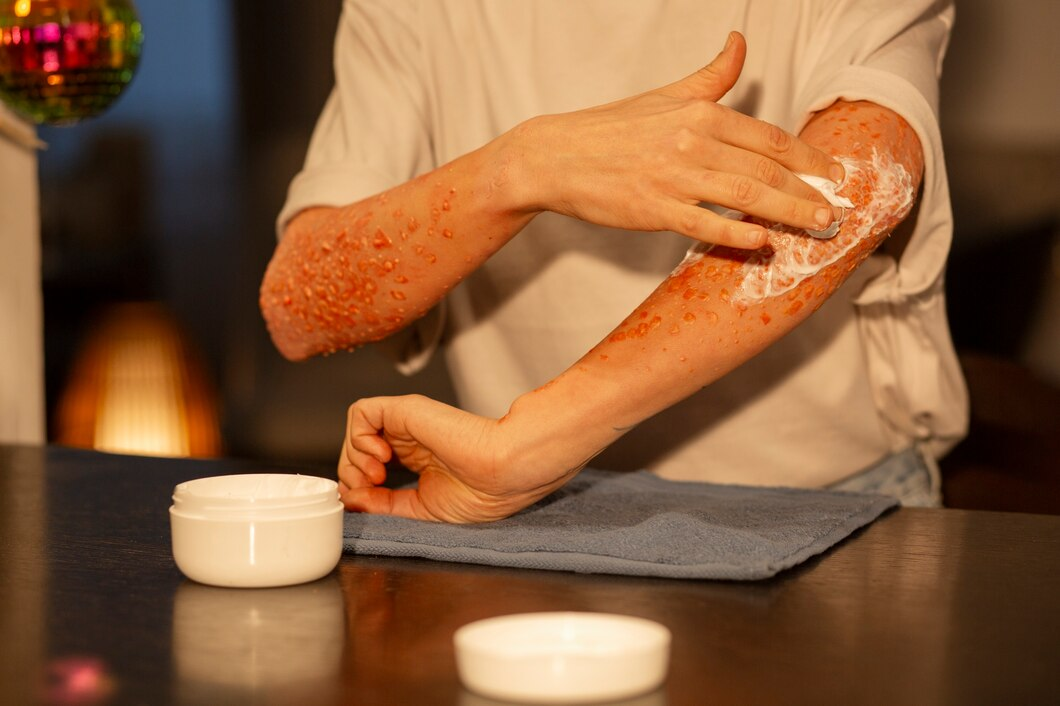
Application of the Photosensitizing Agent: A topical photosensitizing agent, usually 5-aminolevulinic acid (ALA) or methyl aminolevulinate (MAL), is applied to the affected skin areas. This agent is absorbed by the sebaceous glands and acne-causing bacteria.
Incubation Period: The photosensitizing agent needs time to penetrate the skin and accumulate in the target cells. This incubation period can range from 30 minutes to a few hours, depending on the specific protocol and severity of the acne.
Light Activation: After the incubation period, the treated areas are exposed to a specific wavelength of light, often blue or red light. The light activates the photosensitizing agent, producing reactive oxygen species that destroy the acne-causing bacteria, reduce sebum production, and minimize inflammation.
Procedure Overview
1. Consultation and Assessment
Before undergoing PDT, patients must have a thorough consultation with a dermatologist. During this session, the dermatologist will evaluate the patient's skin type, the severity of the acne, and medical history to determine if PDT is a suitable treatment option. The dermatologist will also discuss the expected outcomes, potential risks, and necessary precautions.
2. Pre-Treatment Preparation
Patients are usually advised to avoid sun exposure and discontinue certain medications, such as retinoids and photosensitizing drugs, for a period before the treatment. This is to minimize the risk of adverse reactions during the procedure. Additionally, the skin may need to be cleansed thoroughly before applying the photosensitizing agent.
3. Application of the Photosensitizing Agent
The chosen photosensitizing agent (ALA or MAL) is applied evenly to the areas affected by acne. This step is crucial as proper application ensures optimal absorption and effectiveness of the treatment. The agent is left on the skin for the designated incubation period, allowing it to penetrate and concentrate in the sebaceous glands and acne lesions.
4. Incubation Period
During the incubation period, patients may be advised to avoid bright lights and stay in a dimly lit room. This is because the photosensitizing agent makes the skin highly sensitive to light, and exposure to strong light sources can activate the agent prematurely, leading to potential skin damage.
5. Light Activation
Once the incubation period is over, the treated areas are exposed to a specific wavelength of light. The choice of light (blue, red, or a combination) depends on the target of the treatment. Blue light is often used for its effectiveness in killing P. acnes bacteria, while red light penetrates deeper into the skin, reducing inflammation and promoting healing.
6. Post-Treatment Care
After the light activation, the photosensitizing agent is washed off, and the skin is gently cleansed. Patients are advised to avoid sun exposure for at least 48 hours and to use a broad-spectrum sunscreen if they need to go outdoors. Mild redness and swelling are common post-treatment reactions and typically subside within a few days.
Benefits of Photodynamic Therapy for Acne
Photodynamic Therapy offers several benefits for acne patients:
Effectiveness: PDT has shown significant improvement in reducing acne lesions, particularly in cases of moderate to severe acne that are resistant to other treatments.
Minimal Systemic Side Effects: Unlike oral antibiotics or isotretinoin, PDT primarily affects the treated skin areas, reducing the risk of systemic side effects.
Reduction in Sebum Production: PDT targets the sebaceous glands, reducing sebum production and preventing future acne outbreaks.
Bacterial Eradication: The treatment effectively kills P. acnes bacteria, one of the main contributors to acne formation.
Improved Skin Texture: In addition to treating acne, PDT can improve overall skin texture and reduce the appearance of acne scars.
Potential Side Effects and Risks
While PDT is generally safe, patients may experience some side effects and risks, including:
Redness and Swelling: Temporary redness and swelling are common after the treatment and usually resolve within a few days.
Photosensitivity: The skin becomes highly sensitive to light after PDT, necessitating strict sun protection to prevent burns and pigmentation changes.
Discomfort During Treatment: Some patients may experience a burning or stinging sensation during the light activation phase.
Temporary Pigmentation Changes: In rare cases, patients may experience temporary hyperpigmentation or hypopigmentation.
Scarring: Though uncommon, improper handling or post-treatment care can lead to scarring.
Frequently Asked Questions (FAQs)
Q1: Is Photodynamic Therapy painful?
PDT can cause mild to moderate discomfort, particularly during the light activation phase. Patients often describe a burning or stinging sensation. However, this discomfort is usually temporary and subsides after the treatment. Dermatologists may use cooling devices or topical anesthetics to minimize pain.
Q2: How many PDT sessions are needed for acne treatment?
The number of PDT sessions required varies depending on the severity of the acne and the individual’s response to the treatment. Typically, patients may need 2-4 sessions spaced several weeks apart for optimal results. Maintenance treatments may be recommended to prevent future breakouts.
Q3: Can PDT be combined with other acne treatments?
Yes, PDT can be combined with other acne treatments, such as topical or oral medications, to enhance results. However, it’s essential to follow the dermatologist’s recommendations and avoid photosensitizing agents before the treatment.
Q4: What should I expect during the recovery period?
After PDT, patients can expect mild redness, swelling, and sensitivity to light. These side effects usually resolve within a few days. It’s crucial to avoid sun exposure and use a broad-spectrum sunscreen to protect the skin during the recovery period.
Q5: Are there any long-term side effects of PDT?
Long-term side effects of PDT are rare when the treatment is performed by a qualified dermatologist. However, strict adherence to post-treatment care and sun protection guidelines is essential to minimize the risk of pigmentation changes or scarring.
Q6: Is PDT suitable for all skin types?
PDT can be used on various skin types, but it may be more effective for certain individuals. A thorough consultation with a dermatologist is necessary to determine if PDT is the right treatment option based on skin type, acne severity, and medical history.
Q7: Can PDT be used to treat other skin conditions?
Yes, PDT is also used to treat other skin conditions such as actinic keratosis, superficial basal cell carcinoma, and even some forms of skin aging. The versatility of PDT makes it a valuable tool in dermatology.
Conclusion
Photodynamic Therapy is a promising treatment option for individuals struggling with moderate to severe acne. By targeting the root causes of acne—excess sebum production, bacterial infection, and inflammation—PDT offers an effective alternative to traditional treatments. While the procedure involves several steps and requires careful post-treatment care, many patients experience significant improvements in their skin condition and overall appearance.


Comments
Post a Comment