Plasma Fibroblast Skin Tightening: Non-Surgical Lift and Wrinkle Reduction
What is Plasma Fibroblast Skin Tightening?
Plasma Fibroblast Skin Tightening is a non-surgical cosmetic procedure that uses a plasma pen device to create controlled micro-injuries on the skin's surface. These micro-injuries stimulate the production of collagen and elastin, two essential proteins responsible for skin elasticity and firmness. The treatment aims to tighten loose skin, reduce fine lines and wrinkles, and improve overall skin texture and tone.

The plasma pen generates plasma energy, which is a state of matter where gas is ionized to form a highly charged field. When this energy is applied to the skin, it causes the tissues to contract and tighten, promoting the natural healing process and collagen production. This process is often referred to as "soft surgery" because it achieves results similar to traditional surgical procedures but without the need for incisions or anesthesia.Click here for more information.
How Does Plasma Fibroblast Skin Tightening Work?
Plasma Fibroblast Skin Tightening works through a series of controlled, precise plasma energy applications. Here's a step-by-step breakdown of the process:
Consultation and Assessment: The treatment begins with a thorough consultation with a trained practitioner. During this consultation, your skin type, concerns, and goals will be assessed to determine if Plasma Fibroblast Skin Tightening is the right treatment for you.
Preparation: On the day of the procedure, the treatment area will be cleansed and a topical anesthetic may be applied to minimize discomfort. The practitioner will then use the plasma pen to create a grid of small dots on the skin's surface. These dots are carefully spaced to ensure even coverage and optimal results.
Plasma Energy Application: The plasma pen emits a tiny plasma arc when brought close to the skin. This arc causes a controlled micro-injury by vaporizing the outer layer of skin cells. The surrounding tissues contract, and the body's natural healing response is triggered, leading to increased collagen and elastin production.
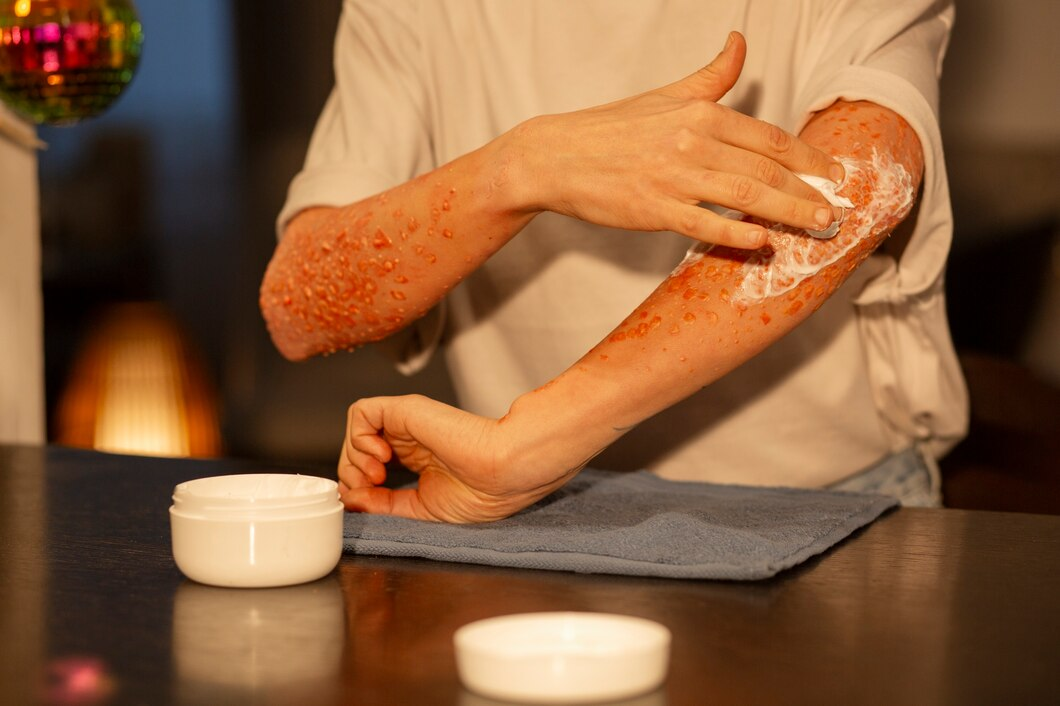
Healing and Recovery: After the procedure, the treated area may appear red and swollen, similar to a mild sunburn. Small scabs will form at each dot, which will naturally fall off within a few days to a week. As the skin heals, you will notice gradual improvements in skin tightness and texture.
Follow-Up: Depending on the extent of the treatment and your desired results, multiple sessions may be recommended. Your practitioner will provide guidance on post-treatment care and schedule any necessary follow-up appointments.
Benefits of Plasma Fibroblast Skin Tightening
Plasma Fibroblast Skin Tightening offers several advantages over traditional surgical procedures and other non-surgical treatments:
Non-Invasive: Unlike surgical facelifts, Plasma Fibroblast Skin Tightening does not require incisions, sutures, or anesthesia. This means reduced risks, less discomfort, and minimal downtime.
Natural-Looking Results: The treatment stimulates the body's natural healing process, leading to gradual and natural-looking improvements in skin tightness and texture.
Minimal Downtime: Most patients experience only mild redness and swelling for a few days, allowing them to resume their normal activities relatively quickly.
Versatility: Plasma Fibroblast Skin Tightening can be used on various areas of the body, including the face, neck, hands, and décolletage, making it a versatile option for addressing multiple skin concerns.
Long-Lasting Effects: The collagen and elastin produced during the healing process continue to improve the skin's appearance over several months, with results lasting up to two years or more.
Areas Treated with Plasma Fibroblast Skin Tightening
Plasma Fibroblast Skin Tightening is suitable for treating a wide range of skin concerns and can be applied to various areas of the body, including:
Eyelids: To lift and tighten sagging eyelids, reducing the appearance of hooded eyes.
Crow's Feet: To smooth out fine lines and wrinkles around the eyes.
Forehead: To reduce horizontal lines and frown lines between the eyebrows.
Cheeks and Nasolabial Folds: To tighten and lift the mid-face area, minimizing laugh lines.
Jawline and Jowls: To define the jawline and reduce sagging skin.
Neck: To tighten loose skin and reduce neck wrinkles.
Hands: To improve skin texture and reduce age spots.
Stomach and Stretch Marks: To tighten loose skin and improve the appearance of stretch marks.
The Procedure: What to Expect
Understanding what to expect during and after the Plasma Fibroblast Skin Tightening procedure can help you feel more comfortable and prepared. Here is a detailed overview of the process:
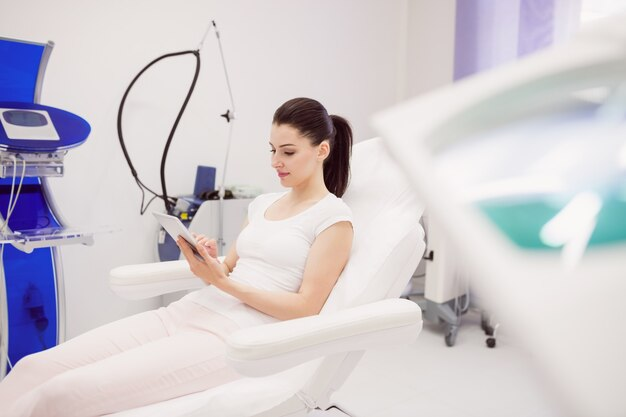
Pre-Treatment Consultation: Before the procedure, you'll have a consultation with a qualified practitioner. During this session, your medical history will be reviewed, and your skin will be examined to ensure you are a suitable candidate for the treatment. The practitioner will discuss your goals and expectations, answer any questions, and provide detailed information about the procedure.
Preparation: On the day of the treatment, the practitioner will clean the target area thoroughly to remove any makeup, oils, or impurities. A topical numbing cream may be applied to the skin to minimize discomfort during the procedure. It's essential to follow any pre-treatment instructions provided by your practitioner, such as avoiding sun exposure and discontinuing certain skincare products.
Plasma Fibroblast Treatment: Once the skin is prepared and the numbing cream has taken effect, the practitioner will begin the Plasma Fibroblast treatment. The plasma pen is held close to the skin, creating a series of tiny plasma arcs that form small dots on the surface. These dots are spaced in a specific pattern to ensure even coverage and optimal results. The process can take anywhere from 30 minutes to over an hour, depending on the size of the treatment area and the extent of the skin concerns.
Post-Treatment Care: After the procedure, the treated area will be red and swollen, resembling a mild sunburn. Small scabs will form at each dot, which should be left to fall off naturally. It's crucial to follow the post-treatment care instructions provided by your practitioner, which may include avoiding sun exposure, keeping the area clean and dry, and applying a recommended ointment to promote healing. You may also be advised to avoid strenuous exercise, swimming, and hot showers for a few days.
Recovery and Results: The initial redness and swelling typically subside within a few days to a week. The small scabs will gradually fall off, revealing smoother, tighter skin underneath. Full results may take several weeks to months to become apparent as the collagen and elastin production continues. You may need multiple sessions to achieve your desired outcome, depending on the severity of your skin concerns and the treatment area's size.
FAQs about Plasma Fibroblast Skin Tightening
Q1: Is Plasma Fibroblast Skin Tightening safe?
Yes, Plasma Fibroblast Skin Tightening is considered safe when performed by a trained and experienced practitioner. The treatment uses controlled plasma energy to create micro-injuries, which stimulate the body's natural healing process. As with any cosmetic procedure, there are some risks, but these are generally minimal and can be reduced by following pre- and post-treatment care instructions.
Q2: Does Plasma Fibroblast Skin Tightening hurt?
Most patients experience mild discomfort during the procedure, similar to a tingling or pricking sensation. A topical numbing cream is typically applied before the treatment to minimize discomfort. After the procedure, the treated area may feel tender and sore, similar to a mild sunburn, but this usually subsides within a few days.
Q3: How long does the treatment take?
The duration of the treatment depends on the size of the area being treated and the severity of the skin concerns. Most sessions take between 30 minutes to over an hour. Your practitioner will provide a more accurate estimate during your consultation.
Q4: What is the recovery time?
Recovery time varies from person to person, but most patients experience redness and swelling for a few days to a week. Small scabs will form at each dot, which will naturally fall off within this period. It's important to follow post-treatment care instructions to ensure proper healing and avoid complications.
Q5: How long do the results last?
The results of Plasma Fibroblast Skin Tightening can last up to two years or more, depending on factors such as age, skin type, and lifestyle. The treatment stimulates collagen and elastin production, which continues to improve the skin's appearance over several months. Maintaining a healthy skincare routine and protecting your skin from sun damage can help prolong the results.
Q6: Are there any side effects?
Common side effects include redness, swelling, and small scabs at the treatment sites. These typically resolve within a few days to a week. In rare cases, some patients may experience hyperpigmentation or hypopigmentation, which can usually be managed with proper post-treatment care and sun protection.
Conclusion
Plasma fibroblast skin tightening offers a non-surgical and minimally invasive approach to address signs of aging. By stimulating collagen production and tightening existing collagen fibers, it can effectively reduce wrinkles, improve skin laxity, and create a more youthful appearance. While there are potential side effects, consulting with a qualified practitioner and following proper aftercare can help you achieve optimal results with minimal downtime.

Comments
Post a Comment