Eczema and Pregnancy: Managing Symptoms Safely
Understanding Eczema and Its Impact During Pregnancy
Eczema, also known as atopic dermatitis, is a common skin condition affecting millions of people worldwide. It often appears in early childhood but can persist throughout adulthood. Eczema disrupts the skin's natural barrier, making it dry, itchy, and prone to inflammation.
While the exact cause of eczema remains unknown, genetics and a weakened skin barrier are believed to play a significant role. Additionally, certain triggers can exacerbate symptoms, such as:
Allergens (dust mites, pollen, pet dander)
Irritants (harsh soaps, detergents, wool)
Stress
Dry weather
Changes in hormones

During pregnancy, hormonal fluctuations can significantly impact eczema. Estrogen and progesterone levels rise dramatically, which may worsen symptoms for some women. However, others might experience improvement. It's crucial to note that eczema itself does not pose a threat to your developing baby.
Causes and Triggers of Eczema Flare-Ups During Pregnancy
Identifying your eczema triggers is essential for effective management during pregnancy. Here are some common culprits to be aware of:
Hormonal Changes: As mentioned earlier, hormonal fluctuations can trigger flare-ups.
Stress: Stress is a well-known eczema trigger, and pregnancy can be a stressful time. Practices like meditation or yoga can help manage stress.
Diet: While there's no single "eczema diet," certain foods might exacerbate symptoms for some individuals. Consider keeping a food journal to identify potential triggers. Common culprits include dairy, eggs, nuts, and soy.
Skin Irritants: Be mindful of harsh soaps, detergents, and personal care products that contain fragrances or alcohols. Opt for fragrance-free, gentle cleansers and moisturizers formulated for sensitive skin.
Environmental Factors: Dry weather, dust mites, and pet dander can worsen eczema. Use a humidifier to add moisture to the air, wash bedding regularly, and limit pet contact if necessary.Join our Blog now.
Changes in Skin Temperature: Avoid hot showers and baths, which can dry out the skin. Opt for lukewarm water and pat dry instead of rubbing.
1.Safe and Effective Treatment Options for Eczema During Pregnancy
The good news is that several safe and effective treatment options are available for managing eczema during pregnancy. However, it's crucial to discuss any treatment with your doctor before use, as some medications might not be pregnancy-safe.
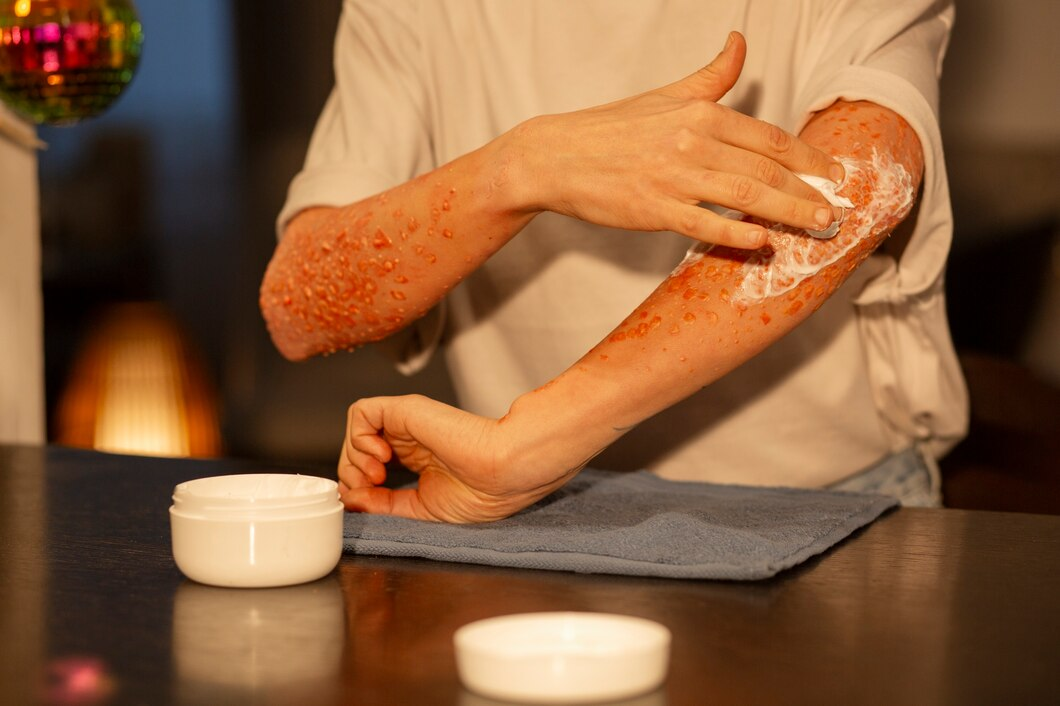
Moisturizers and Emollients: These are the foundation of eczema treatment. Apply fragrance-free, hypoallergenic moisturizers liberally throughout the day, especially after bathing. Look for ingredients like ceramides, hyaluronic acid, and colloidal oatmeal.
Topical Steroids: Low-potency topical steroids are generally considered safe for use during pregnancy when applied as directed by your doctor. They help reduce inflammation and itching.
Antihistamines: Oral antihistamines can provide relief from itching, especially at night. However, consult your doctor to choose a pregnancy-safe option.
Light Therapy (UVB): Narrowband UVB phototherapy can be effective in some cases. Discuss this option with your doctor to determine if it's suitable for you.
2.Soothing Strategies and Lifestyle Changes for Eczema Management
In addition to medical treatments, several lifestyle changes can significantly improve eczema symptoms during pregnancy:
Stress Management: Practice relaxation techniques like meditation, yoga, or deep breathing exercises to manage stress and reduce flare-ups.
Diet: Consider an elimination diet to identify potential food triggers. Consult a registered dietitian for guidance on maintaining a healthy and balanced diet during pregnancy.
Sleep Hygiene: Prioritize good sleep hygiene to promote overall well-being and potentially reduce eczema symptoms.
Wear Loose-Fitting Clothing: Opt for soft, breathable fabrics like cotton to avoid irritation.
Lukewarm Baths and Showers: Avoid hot water, as it can dry out the skin. Pat yourself dry instead of rubbing, and apply moisturizer immediately after bathing.
Identify and Avoid Triggers: Keep a journal to track your activities, environment, and foods to pinpoint potential triggers specific to you.
Maintain a Clean Environment: Regularly wash bedding, vacuum carpets, and dust furniture to minimize dust mites and allergens.
Cooling Techniques: Apply cool compresses to itchy areas for temporary relief. Avoid scratching, as it can worsen inflammation and increase the risk of infection.
3.When to Seek Medical Attention for Eczema During Pregnancy
If your eczema symptoms become severe or unmanageable with home care practices, consult your doctor. Additionally, seek medical attention if you experience:
Signs of infection (pus, red streaks, fever)
Difficulty sleeping due to itching
Open wounds or bleeding
Widespread redness and swelling
4.Breastfeeding and Eczema: Considerations for Moms
The good news is that breastfeeding is generally safe for mothers with eczema. However, some babies might be sensitive to certain proteins in breast milk if they have a family history of allergies. Here are some tips for breastfeeding with eczema:
Apply moisturizer to your nipples after each feeding to prevent dryness and cracking.
Monitor your baby for any signs of eczema or allergic reactions, such as fussiness during feeding, a rash around the mouth, or digestive issues.
Discuss any concerns with your doctor or a lactation consultant.
FAQs
Can eczema cause birth defects?
No, eczema itself does not cause birth defects. However, certain medications used to treat severe eczema might not be pregnancy-safe. Always discuss any treatment options with your doctor before use.
Will my baby inherit eczema?
If you have eczema, there's an increased chance your baby might develop it. However, genetics aren't the sole determinant.
Is it safe to use complementary and alternative therapies for eczema during pregnancy?
Some complementary therapies, like oatmeal baths or acupuncture, might be helpful. However, consult your doctor before trying any new therapies during pregnancy.
Conclusion:
Eczema during pregnancy can be a challenge, but with proper management and a healthcare provider's guidance, you can effectively control your symptoms and experience a healthy pregnancy. By understanding your triggers, adopting gentle skincare practices, and incorporating lifestyle changes, you can minimize flare-ups and maintain comfortable skin throughout your pregnancy journey. Remember, open communication with your doctor is crucial for creating a personalized treatment plan that ensures the safety and well-being of both you and your baby.

Comments
Post a Comment