Hair and Scalp Disorders in Individuals with Inflammatory Bowel Disease
Understanding IBD and Its Impact on the Body
What is Inflammatory Bowel Disease?
IBD includes Crohn's disease and ulcerative colitis, both of which involve inflammation of the gastrointestinal tract. Crohn's disease can affect any part of the digestive tract from mouth to anus, while ulcerative colitis primarily affects the colon and rectum. Both conditions can lead to symptoms such as abdominal pain, diarrhea, weight loss, and fatigue.

How IBD Affects the Body Systemically
The systemic effects of IBD extend beyond the gastrointestinal tract. Nutrient deficiencies, chronic inflammation, and immune system dysregulation associated with IBD can have far-reaching impacts on various body systems, including the skin and hair. This connection is particularly evident in the case of hair and scalp disorders.Click here for more information.
Hair and Scalp Disorders Related to IBD
1. Nutritional Deficiencies
Iron Deficiency Anemia
Individuals with IBD often experience iron deficiency anemia due to chronic blood loss, reduced absorption, or dietary restrictions. Iron is crucial for healthy hair growth, and its deficiency can lead to symptoms like hair thinning, excessive shedding, and in severe cases, hair loss.
Vitamin D Deficiency
Vitamin D plays a vital role in maintaining healthy hair follicles. Many individuals with IBD suffer from vitamin D deficiency due to malabsorption and reduced sun exposure, leading to conditions such as hair thinning and premature graying.
Zinc Deficiency
Zinc is essential for cellular function and protein synthesis, including hair growth. Zinc deficiency, which is common in IBD due to malabsorption or dietary restrictions, can lead to hair loss and scalp issues.
2. Inflammatory Conditions
Alopecia Areata
Alopecia areata is an autoimmune condition that can lead to sudden, patchy hair loss. While not exclusively linked to IBD, the immune system dysregulation associated with IBD may contribute to the development or exacerbation of alopecia areata in some individuals.
Scalp Psoriasis
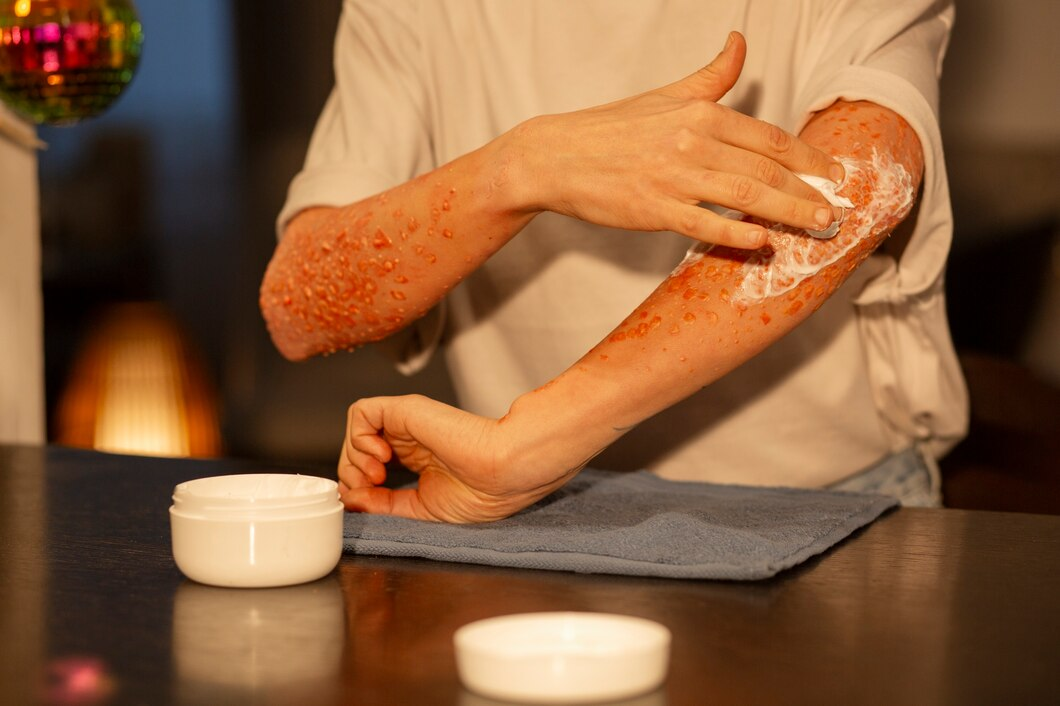
Scalp psoriasis is a chronic inflammatory skin condition that causes red, scaly patches on the scalp. Individuals with IBD are at higher risk of developing scalp psoriasis due to the systemic inflammation and immune dysfunction associated with their condition.
3. Medication Side Effects
Corticosteroids
Corticosteroids are commonly used to manage inflammation in IBD. However, long-term use of these medications can lead to hair thinning and increased hair loss.
Immunosuppressants
Medications used to suppress the immune system in IBD, such as azathioprine and methotrexate, can also have side effects on hair health, including thinning and loss.
Managing Hair and Scalp Disorders with IBD
1. Nutritional Management
Diet and Supplements
Maintaining a balanced diet rich in essential nutrients is crucial for managing hair and scalp health in individuals with IBD. This may include incorporating iron-rich foods, vitamin D supplements, and zinc into the diet. Consulting with a nutritionist or dietitian can help tailor a dietary plan to address specific deficiencies.
Regular Monitoring
Regular monitoring of nutritional levels through blood tests can help identify deficiencies early and allow for timely intervention.
2. Scalp Care
Gentle Hair Care Products
Using gentle, sulfate-free shampoos and conditioners can help reduce scalp irritation and prevent further hair damage. Opting for products designed for sensitive scalps may also be beneficial.
Avoiding Heat and Chemical Treatments
Minimizing the use of heat styling tools and harsh chemical treatments can help prevent additional stress on the hair and scalp.
3. Medical Management
Addressing Underlying Conditions
Treating the underlying IBD and managing inflammation can have a positive impact on hair and scalp health. Working closely with a healthcare provider to optimize IBD management is essential.
Topical Treatments
For conditions like scalp psoriasis, topical treatments such as medicated shampoos and creams may provide relief and help manage symptoms.
4. Psychological Support
Coping with Hair Loss
Hair loss can be emotionally distressing. Seeking support from mental health professionals or joining support groups can help individuals cope with the psychological impact of hair and scalp disorders.
FAQs
Q1. Can IBD directly cause hair loss?
While IBD itself may not directly cause hair loss, the associated nutritional deficiencies, inflammation, and medications used to treat IBD can contribute to hair and scalp disorders.
Q2. How can I prevent hair loss if I have IBD?
Preventing hair loss involves managing IBD effectively, addressing nutritional deficiencies, and taking good care of your hair and scalp. Regular consultations with healthcare professionals can help tailor a plan to prevent or minimize hair loss.
Q3. Are there any specific hair care products recommended for individuals with IBD?
Opting for gentle, sulfate-free hair care products designed for sensitive scalps is recommended. Look for products that are free from harsh chemicals and fragrances.
Q4. Can hair loss from IBD be reversed?
In many cases, addressing the underlying causes such as nutritional deficiencies and managing IBD effectively can lead to improvement in hair health. However, recovery can vary depending on individual circumstances.
Q5. Should I see a dermatologist for scalp issues related to IBD?
Yes, consulting a dermatologist can be beneficial for managing scalp conditions such as psoriasis or dermatitis. A dermatologist can provide specialized treatments and advice tailored to your needs.
Conclusion
Hair and scalp disorders in individuals with Inflammatory Bowel Disease are multifaceted issues that arise due to a combination of factors including nutritional deficiencies, systemic inflammation, and medication side effects. Addressing these disorders requires a comprehensive approach that includes managing the underlying IBD, optimizing nutrition, and employing proper hair and scalp care practices.

Comments
Post a Comment