Treating Infected Moles: Antibiotics and Wound Care
Understanding Infected Moles
What is a Mole?
A mole is a cluster of pigmented cells called melanocytes that often appear as small, dark brown spots on the skin. They can be flat or raised, and their color can vary from pink to black. Most moles are benign and don't pose any health risks. However, they can become problematic if they change in size, color, or shape, or if they become symptomatic.

Causes of Infected Moles
Moles can become infected for various reasons:Click here for more information.
Trauma or Injury: A mole can become infected if it is scratched, cut, or injured. This can happen due to accidental trauma, shaving, or even excessive scratching.
Bacterial Infection: The skin is home to many bacteria, including Staphylococcus aureus and Streptococcus. If these bacteria enter the mole through a break in the skin, an infection can occur.
Fungal Infection: In some cases, fungi can infect a mole, particularly in warm and moist areas of the body.
Poor Hygiene: Inadequate hygiene can lead to the buildup of bacteria and increase the risk of infection.
Underlying Health Conditions: Conditions that weaken the immune system, such as diabetes or HIV, can make an individual more susceptible to infections.
Symptoms of an Infected Mole
Recognizing the signs of an infected mole is crucial for timely treatment. Common symptoms include:
Redness and swelling around the mole
Pain or tenderness
Warmth in the affected area
Pus or discharge
Foul odor
Fever (in severe cases)
If you notice any of these symptoms, it is essential to seek medical attention promptly.
The Role of Antibiotics in Treating Infected Moles
When Are Antibiotics Necessary?
Antibiotics are used to treat bacterial infections. When a mole becomes infected, a healthcare provider may prescribe antibiotics to eliminate the bacteria causing the infection and prevent it from spreading. Antibiotics can be administered topically, orally, or intravenously, depending on the severity of the infection.
Topical Antibiotics: For mild infections, a topical antibiotic ointment or cream may be sufficient. These are applied directly to the infected area.
Oral Antibiotics: More severe infections may require oral antibiotics, which work systemically to fight the infection from within the body.
Intravenous Antibiotics: In cases of severe or spreading infections, intravenous antibiotics may be necessary. This involves administering antibiotics directly into the bloodstream in a hospital setting.
Common Antibiotics Used for Skin Infections
Several antibiotics are commonly used to treat skin infections, including infected moles:
Penicillin: Effective against a wide range of bacteria, penicillin is often used for skin infections.
Cephalosporins: These antibiotics are similar to penicillin and are used to treat a variety of bacterial infections.
Macrolides: Erythromycin and azithromycin are examples of macrolides that can be used to treat skin infections.
Clindamycin: This antibiotic is often used for more severe skin infections.
Tetracyclines: Doxycycline and minocycline are tetracyclines that can be effective against certain types of bacteria.
The choice of antibiotic depends on the type of bacteria causing the infection and the patient’s medical history, including any allergies.
Wound Care for Infected Moles
Proper wound care is essential to promote healing and prevent further complications. Here are some steps to take when caring for an infected mole:
Cleaning the Wound
Wash Your Hands: Before touching the infected area, thoroughly wash your hands with soap and water to prevent introducing new bacteria.
Clean the Area: Gently clean the infected mole with mild soap and water. Avoid using harsh chemicals or alcohol, as these can irritate the skin.
Rinse and Pat Dry: Rinse the area with clean water and pat it dry with a clean towel. Do not rub the area, as this can cause further irritation.
Applying Antibiotic Ointment
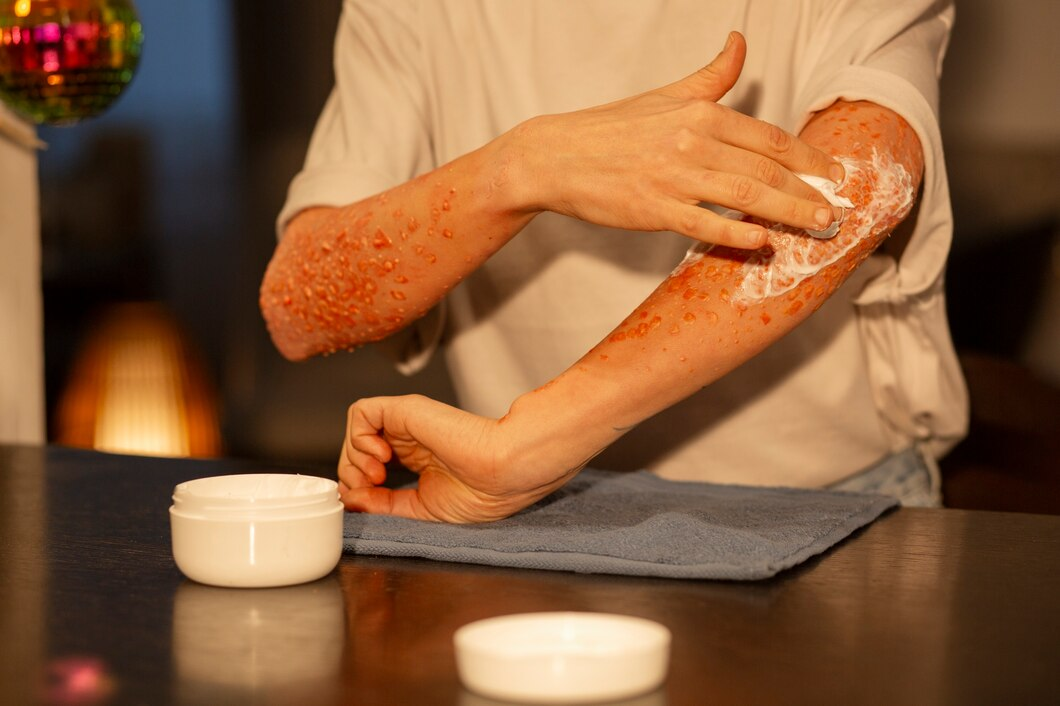
Apply Topical Antibiotic: If prescribed by a healthcare provider, apply a thin layer of topical antibiotic ointment to the infected mole.
Cover with a Sterile Bandage: To protect the area and keep it clean, cover the mole with a sterile bandage or dressing.
Change Dressings Regularly: Change the dressing at least once a day, or more often if it becomes wet or dirty.
Monitoring for Improvement
Watch for Signs of Healing: Look for signs of improvement, such as reduced redness, swelling, and pain.
Seek Medical Attention if Necessary: If the infection does not improve or worsens, seek medical attention promptly. This may indicate the need for a different treatment approach.
Frequently Asked Questions (FAQs)
Q1: Can an infected mole turn into skin cancer?
While an infected mole itself is not likely to turn into skin cancer, it is essential to monitor any changes in the mole. If a mole becomes asymmetrical, changes in color, grows larger, or has irregular borders, it should be evaluated by a dermatologist. These changes can be signs of melanoma, a type of skin cancer.
Q2: How long does it take for an infected mole to heal?
The healing time for an infected mole varies depending on the severity of the infection and the treatment used. Mild infections may heal within a week or two with proper care and antibiotics. More severe infections may take longer to heal.
Q3: Can I treat an infected mole at home?
While minor infections may be managed at home with proper wound care and over-the-counter topical antibiotics, it is important to consult a healthcare provider for a proper diagnosis and treatment plan. Severe infections require medical attention and prescription antibiotics.
Q4: What should I do if my mole becomes infected again?
If a mole becomes infected again, seek medical attention promptly. Recurrent infections may indicate an underlying issue that needs to be addressed. Your healthcare provider can recommend the appropriate treatment and preventive measures.
Q5: Are there any home remedies for infected moles?
While home remedies such as applying honey or aloe vera may provide some relief, they are not a substitute for medical treatment. It is essential to follow a healthcare provider’s recommendations for treating an infected mole.
Conclusion
Treating an infected mole requires a combination of antibiotics and proper wound care to ensure effective healing and prevent complications. Understanding the causes and symptoms of infected moles, knowing when to seek medical attention, and following appropriate wound care practices are crucial steps in managing this condition. By being vigilant and proactive, individuals can promote healing and reduce the risk of further infections. If you have any concerns about a mole or suspect an infection, consult a healthcare provider for a thorough evaluation and personalized treatment plan.

Comments
Post a Comment