Wart Removal and Sun Exposure: Precautions for Healing
Warts are benign skin growths caused by the human papillomavirus (HPV). They are common and can appear anywhere on the body. While various treatments are available for wart removal, it's crucial to understand how sun exposure can affect the healing process. This article explores the precautions you should take to ensure proper healing after wart removal and minimize the risk of complications from sun exposure.

How Sun Exposure Affects Healing
Sun exposure can have several adverse effects on the healing process after wart removal:
Delayed Healing: UV radiation from the sun can slow down the healing process by causing inflammation and damaging new skin cells.
Hyperpigmentation: Exposure to the sun can lead to hyperpigmentation, where the treated area becomes darker than the surrounding skin. This is particularly a concern for individuals with darker skin tones.
Scarring: Sun exposure can increase the risk of scarring by affecting the skin's natural healing process.
Infection Risk: UV radiation can compromise the skin's barrier, making it more susceptible to infections.
Precautions for Healing After Wart Removal
To ensure proper healing and minimize the risk of complications from sun exposure, consider the following precautions:
1. Sun Protection
Use Sunscreen: Apply a broad-spectrum sunscreen with at least SPF 30 to the treated area whenever it is exposed to the sun. Reapply every two hours and after swimming or sweating.For more information visit this webpage.
Cover the Area: Wear protective clothing, such as long sleeves and hats, to cover the treated area and reduce direct sun exposure.
Avoid Peak Sun Hours: Limit sun exposure between 10 AM and 4 PM when UV radiation is at its strongest.
2. Follow Post-Treatment Instructions
Adhere to Medical Advice: Follow the specific post-treatment care instructions provided by your healthcare provider, which may include keeping the area clean and dry, applying prescribed ointments, and avoiding certain activities.
Avoid Irritants: Avoid using products that may irritate the treated area, such as harsh soaps, alcohol-based products, and exfoliants.
3. Hydration and Moisturization
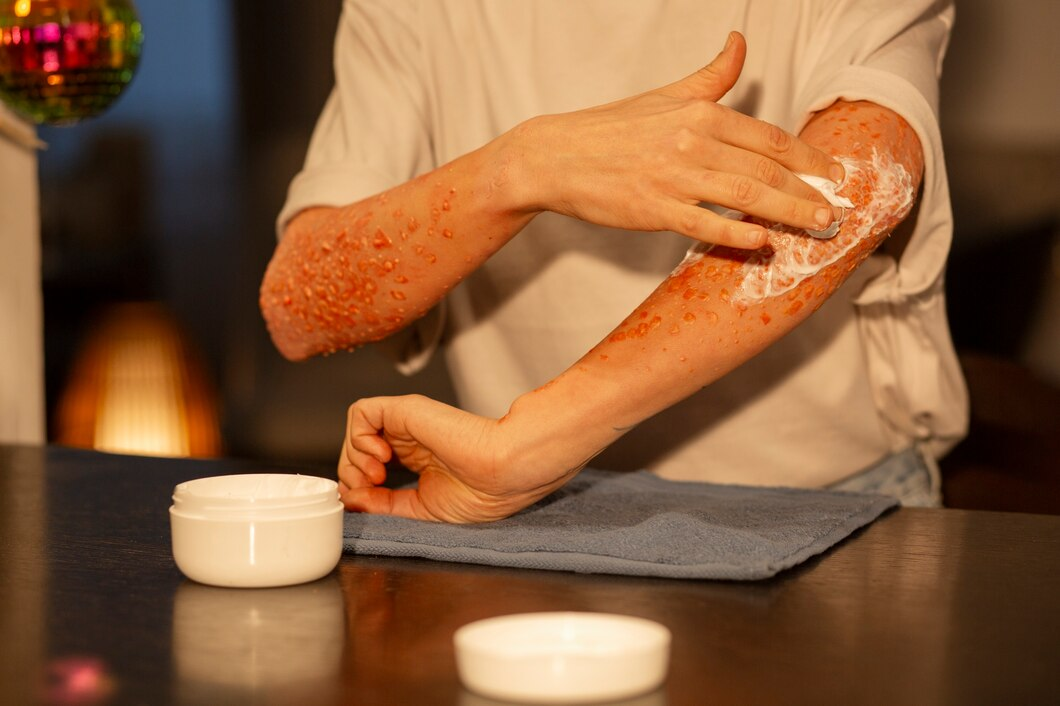
Keep the Area Moisturized: Use a gentle, fragrance-free moisturizer to keep the treated area hydrated and promote healing.
Stay Hydrated: Drink plenty of water to support overall skin health and healing.
4. Monitor for Signs of Infection
Watch for Redness and Swelling: Monitor the treated area for signs of infection, such as increased redness, swelling, warmth, or pus. Contact your healthcare provider if you notice any of these symptoms.
Maintain Cleanliness: Keep the treated area clean by gently washing with mild soap and water.
FAQs
1. How long should I avoid sun exposure after wart removal?
It's recommended to avoid direct sun exposure for at least two weeks after wart removal. Follow your healthcare provider's specific advice, as the duration may vary depending on the treatment method used.
2. Can I use makeup to cover the treated area?
It's best to avoid makeup on the treated area until it has fully healed to prevent irritation and infection. Consult with your healthcare provider for specific recommendations.
3. What should I do if I experience hyperpigmentation after sun exposure?
If hyperpigmentation occurs, continue to protect the area from sun exposure and consult your healthcare provider. They may recommend treatments such as topical lightening agents or laser therapy to address pigmentation issues.
4. Is it safe to swim after wart removal?
Swimming can introduce bacteria to the treated area and increase the risk of infection. Avoid swimming until the area has fully healed and follow your healthcare provider's advice.
5. What are the signs that the treated area is healing properly?
Signs of proper healing include reduced redness and swelling, formation of new skin, and absence of pain or discomfort. If you notice any unusual symptoms, contact your healthcare provider.
Conclusion
Proper care after wart removal is crucial for promoting healing and minimizing the risk of complications from sun exposure. By taking appropriate precautions, such as using sunscreen, covering the treated area, and following post-treatment instructions, you can ensure a smoother recovery process. Always consult with your healthcare provider for personalized advice and follow their recommendations to achieve the best possible outcome.

Comments
Post a Comment