Contact Dermatitis: Identifying and Avoiding Irritants
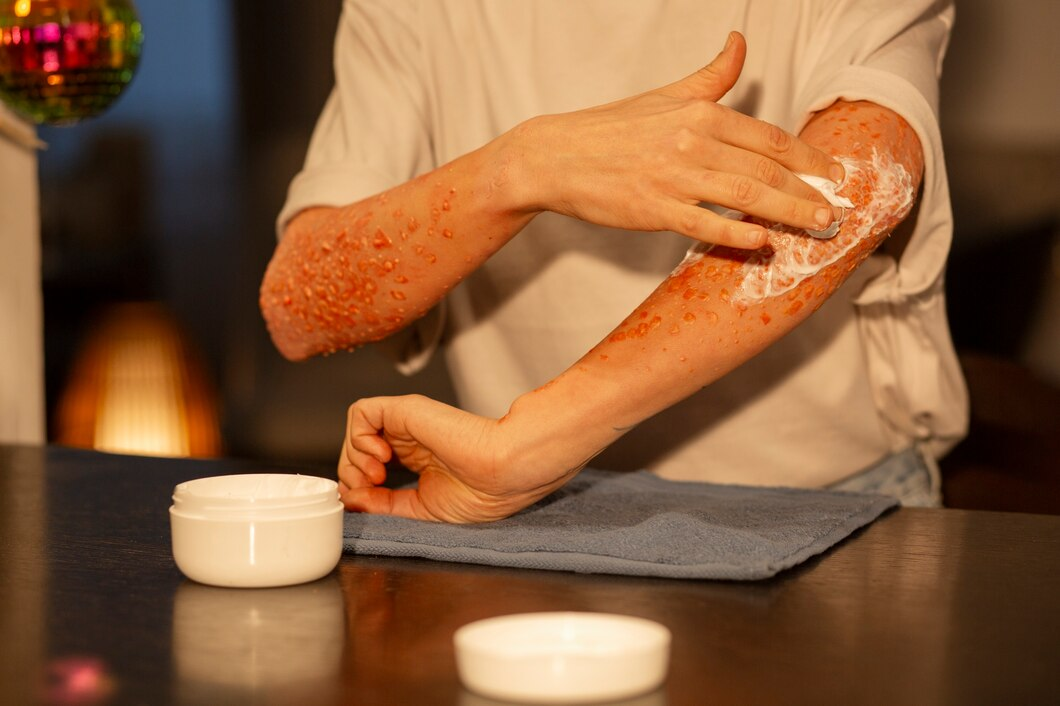
Contact dermatitis is a common skin condition characterized by inflammation and irritation of the skin, resulting from contact with certain substances. Identifying and avoiding these irritants is essential for managing and preventing flare-ups.

Understanding Irritants
Irritants are substances that can trigger an allergic reaction or irritation when they come into contact with the skin. They vary widely and can include chemicals, plants, metals, and certain cosmetics or personal care products.
Identifying Common Irritants
Chemicals
Chemicals such as detergents, solvents, and cleaning products can cause contact dermatitis. Common irritants include sodium lauryl sulfate, formaldehyde, and fragrances found in many household and industrial products.
Plants
Certain plants, such as poison ivy, poison oak, and poison sumac, contain oils that can cause allergic contact dermatitis upon skin contact. Even seemingly harmless plants like chrysanthemums or daisies can cause reactions in sensitive individuals.
Metals
Metals like nickel, cobalt, and chromium commonly found in jewelry, watches, and belt buckles can trigger allergic contact dermatitis. Repeated exposure to these metals can lead to chronic skin irritation and inflammation.
Cosmetics and Personal Care Products
Ingredients in cosmetics and personal care products, including fragrances, preservatives, and dyes, can cause contact dermatitis in some individuals. Common culprits include hair dyes, perfumes, makeup, and skincare products.
Avoiding Irritants
Reading Labels
Reading product labels carefully can help identify potential irritants and allergens. Look for products labeled "hypoallergenic," "fragrance-free," or "sensitive skin" to minimize the risk of contact dermatitis.
Protective Measures
Wearing gloves, long sleeves, and protective clothing can help minimize skin contact with irritants. When working with chemicals or known allergens, using barrier creams or protective ointments can create a barrier between the skin and the irritant.
Substitutions
Identifying alternative products that are free from known irritants can help prevent contact dermatitis. Opt for natural or organic skincare products, fragrance-free detergents, and nickel-free jewelry to reduce the risk of skin irritation.
Conclusion
Contact dermatitis can cause discomfort and irritation, but it can be managed by identifying and avoiding irritants. By understanding common triggers such as chemicals, plants, metals, and certain cosmetics, individuals can take proactive measures to protect their skin and minimize the risk of flare-ups.
FAQs
1. Is contact dermatitis contagious?
No, contact dermatitis is not contagious. It is an allergic reaction or irritation triggered by contact with specific substances.
2. How long does it take for contact dermatitis to clear up?
The duration of contact dermatitis flare-ups varies depending on the individual's sensitivity and the severity of the reaction. Mild cases may resolve within a few days, while more severe cases may take weeks to clear up.
3. Can contact dermatitis be treated with over-the-counter medications?
Yes, over-the-counter topical corticosteroid creams or ointments can help relieve itching and inflammation associated with contact dermatitis. However, severe or persistent cases may require prescription medications or corticosteroid injections.
4. Can contact dermatitis develop suddenly, even if I haven't had a reaction before?
Yes, contact dermatitis can develop suddenly upon exposure to a new irritant or allergen, even if you haven't had a reaction to it before. Sensitivity to certain substances can develop over time with repeated exposure.
5. Are there any natural remedies for soothing contact dermatitis symptoms?
Yes, natural remedies such as oatmeal baths, aloe vera gel, and chamomile tea compresses can help soothe itching and inflammation associated with contact dermatitis. However, it's essential to consult a healthcare professional for severe or persistent symptoms.


Comments
Post a Comment