Soothing the Itch: Effective Treatments for Eczema
Eczema, a chronic skin condition characterized by inflammation and itching, affects millions of individuals globally. In this comprehensive guide, we explore various treatments for eczema, ranging from traditional methods to emerging therapies and natural remedies. By understanding the condition, exploring lifestyle changes, and hearing personal stories, individuals can find effective ways to soothe the itch and manage eczema effectively.

I. Exploration
Living with eczema can be challenging, with the persistent itching and discomfort impacting the quality of life. In this article, we delve into the world of eczema, discussing its prevalence, impact, and effective treatments that go beyond the usual remedies.
A. Brief overview of eczema
Eczema, also known as atopic dermatitis, is a skin condition characterized by red, itchy rashes. It often appears in childhood but can affect individuals of any age. Understanding the basics of eczema is crucial for those seeking relief.
B. The prevalence of eczema and its impact
Eczema is more common than one might think, affecting a significant percentage of the population. We explore how eczema impacts daily life, both physically and emotionally.
II. Understanding Eczema
To effectively treat eczema, it's essential to understand its nuances. From different types of eczema to common triggers and symptoms, this section provides a comprehensive overview.
A. Definition and types of eczema
Eczema is not a one-size-fits-all condition. We break down the various types, from atopic dermatitis to contact dermatitis, providing insights into their unique characteristics.
B. Causes and triggers
Uncovering the root causes and triggers of eczema is crucial for successful management. We discuss genetic factors, environmental triggers, and lifestyle influences.
C. Common symptoms
Recognizing the symptoms of eczema is the first step towards effective treatment. We detail the typical signs, from redness and inflammation to persistent itching.
III. Traditional Treatments
Traditional treatments remain a cornerstone in managing eczema symptoms. From topical corticosteroids to antihistamines, this section explores time-tested remedies.
A. Topical corticosteroids
These medications are commonly prescribed to reduce inflammation and itching. We discuss their effectiveness, proper usage, and potential side effects.
B. Emollients and moisturizers
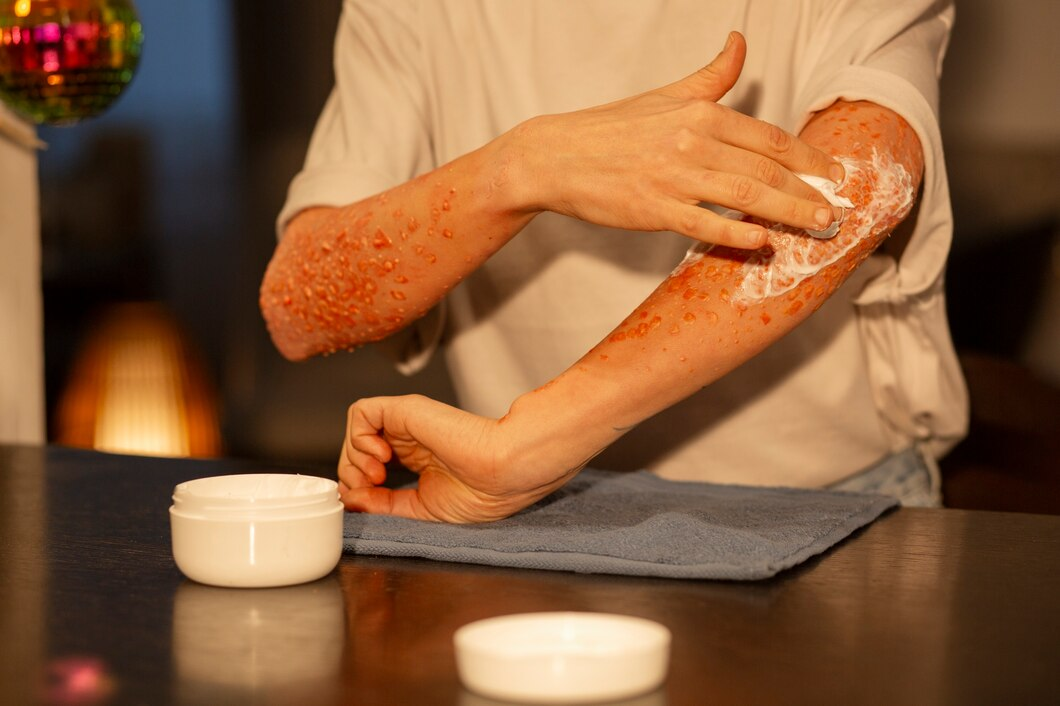
Hydrating the skin is essential in eczema management. We highlight the importance of emollients and moisturizers in preventing flare-ups.
C. Antihistamines for itching relief
Itching is a primary concern for individuals with eczema. We explore how antihistamines can provide relief and improve sleep quality.
IV. Emerging Therapies
As medical science advances, so do eczema treatment options. From immunomodulators to biologic drugs, this section examines cutting-edge therapies.
A. Immunomodulators
These drugs target the immune system, offering an alternative for those who don't respond to traditional treatments. We discuss their mechanism of action and potential benefits.
B. Phototherapy
Exposing the skin to controlled amounts of light can alleviate eczema symptoms. We explore the use of phototherapy and its considerations.
C. Biologic drugs
Biologics represent a newer class of medications showing promise in eczema treatment. We delve into their role and potential side effects.
V. Natural Remedies
For those seeking natural alternatives, this section explores remedies with minimal side effects.
A. Coconut oil
Known for its moisturizing properties, coconut oil can be a valuable addition to an eczema skincare routine. We provide insights into its application and benefits.
B. Oatmeal baths
Oatmeal's soothing properties extend to eczema relief. We discuss the benefits of oatmeal baths and how to incorporate them into a skincare routine.
C. Probiotics for gut health
The gut-skin connection is gaining attention. We explore the role of probiotics in promoting gut health and potential benefits for eczema sufferers.
VI. Lifestyle Changes
Managing eczema often involves making adjustments to one's lifestyle. From dietary considerations to stress management, this section provides practical advice.
A. Dietary considerations
Certain foods may trigger eczema flare-ups. We discuss dietary changes that can positively impact skin health.
B. Stress management techniques
Stress is a known trigger for eczema. We explore relaxation techniques and mindfulness practices to manage stress effectively.
C. Importance of proper skincare
Establishing a proper skincare routine is crucial for eczema management. We provide tips for gentle cleansing and effective moisturization.
VII. Coping Strategies
Dealing with eczema goes beyond physical symptoms. This section explores coping strategies for the psychological impact of the condition.
A. Support groups
Connecting with others who share similar experiences can provide emotional support. We discuss the importance of eczema support groups.
B. Psychological impact of eczema
Living with a visible skin condition can take a toll on mental health. We explore the psychological aspects of eczema and strategies for coping.
C. Building a routine for skincare
Consistency is key in managing eczema. We offer guidance on building a skincare routine tailored to individual needs.
VIII. Special Considerations for Children
Children with eczema require special attention and care. This section addresses pediatric eczema, child-friendly treatments, and advice for parents.
A. Pediatric eczema
Eczema in children may present unique challenges. We discuss symptoms, treatment options, and the importance of pediatric dermatology.
B. Child-friendly treatments
Not all eczema treatments are suitable for children. We provide insights into child-friendly options with a focus on safety and efficacy.
C. Advice for parents
Parents play a crucial role in managing their child's eczema. We offer practical advice for supporting children with eczema.
IX. Personal Stories
Real-life experiences can inspire and provide valuable insights. In this section, we share personal stories from individuals who have successfully managed their eczema.
A. Real-life experiences with eczema
Individuals share their journeys, detailing the challenges they faced and the treatments that worked for them.
B. Success stories with various treatments
Highlighting success stories with a variety of treatments, we showcase the diverse paths individuals have taken to find relief.
X. Future Outlook
The world of eczema treatment is dynamic, with ongoing research and potential breakthroughs. In this section, we explore what the future holds for eczema management.
A. Research advancements
Cutting-edge research is paving the way for innovative eczema treatments. We highlight recent advancements and their potential impact.
B. Potential breakthroughs in eczema treatment
Promising developments on the horizon may change the landscape of eczema treatment. We discuss potential breakthroughs and their implications.
XI. Conclusion
In conclusion, managing eczema involves a multifaceted approach. By combining traditional treatments, emerging therapies, natural remedies, and lifestyle adjustments, individuals can effectively soothe the itch and lead a more comfortable life.
A. Recap of effective eczema treatments
We recap the key takeaways, emphasizing the importance of a personalized and comprehensive approach to eczema management.
B. Encouragement for those dealing with eczema
A few words of encouragement for individuals dealing with eczema, emphasizing the importance of persistence and seeking support.
FAQs
Is eczema a curable condition?
Eczema is a chronic condition with no cure, but effective management strategies can significantly improve symptoms.
Can natural remedies alone treat eczema?
While natural remedies can be beneficial, a holistic approach combining various treatments is often more effective.
What role does diet play in managing eczema?
Certain foods may trigger eczema flare-ups, and dietary adjustments can contribute to symptom improvement.
Are there age-specific considerations for eczema treatment?
Yes, treatment approaches may vary based on age, with special considerations for pediatric eczema.
How can I find a supportive community for eczema sufferers?
Online platforms, support groups, and dermatology associations often provide resources for connecting with others facing similar challenges.


Comments
Post a Comment