Skincare Routine for Different Skin Types: Oily, Dry and Sensitive Skin
A skincare routine is an essential part of maintaining healthy, glowing skin. However, not all skincare routines are created equal, and what works for one person may not work for another. That's because everyone's skin is unique, with its own unique set of needs and challenges. In this article, we'll explore the different types of skin and how to create a skincare routine that works for you.

Oily skin
Oily skin is characterized by an excess of oil production, which can lead to clogged pores and acne breakouts. If you have oily skin, it's important to keep your skin clean and remove excess oil to help prevent breakouts. A gentle cleanser is key, as harsh cleansers can strip the skin of its natural oils and actually lead to more oil production. Look for a cleanser that is oil-free and non-comedogenic, meaning it won't clog pores.
In addition to cleansing, it's important to use products that help control oil production and keep pores clear. Look for products with ingredients like salicylic acid and benzoyl peroxide, which can help to reduce acne breakouts. It's also a good idea to use a toner to help balance the skin's pH and remove any remaining traces of dirt and oil.
If you are experiencing an urgent issue, please consult Visit Site
Dry skin
Dry skin is characterized by a lack of oil production, which can lead to dryness, flakiness, and irritation. If you have dry skin, it's important to keep your skin hydrated and nourished to prevent dryness and irritation. A gentle, moisturizing cleanser is key, as harsh cleansers can strip the skin of its natural oils. Look for a cleanser with hydrating ingredients like glycerin or hyaluronic acid.
In addition to cleansing, it's important to use products that help to hydrate and nourish the skin. Look for products with ingredients like ceramides, glycerin, and hyaluronic acid, which can help to lock in moisture and keep the skin hydrated. It's also a good idea to use a facial oil or serum to help nourish the skin and protect it from environmental stressors.
Sensitive skin
Sensitive skin is characterized by sensitivity to certain products and ingredients, which can lead to irritation and redness. If you have sensitive skin, it's important to be mindful of the products you use and to choose ones that are gentle and non-irritating. A gentle, sulfate-free cleanser is key, as sulfates can be harsh and irritating to sensitive skin. Look for a cleanser with nourishing ingredients like aloe vera or chamomile, which can help to soothe and calm the skin.
In addition to cleansing, it's important to use products that are formulated for sensitive skin and free from potential irritants like fragrances and alcohol. Look for products with ingredients like niacinamide, which can help to calm and soothe the skin, and avoid products with ingredients like retinol, which can be irritating to sensitive skin.
Common Skin Conditions and their Treatments: Acne, Eczema, Rosacea
Skin conditions are common and can affect people of all ages. While some skin conditions are temporary and can be easily treated, others are chronic and may require ongoing management. In this article, we'll explore some common skin conditions and their treatments.

Acne
Acne is a common skin condition that affects millions of people around the world. It is characterized by the appearance of pimples, blackheads, and whiteheads, and is often caused by excess oil production and clogged pores. Acne can appear on the face, chest, back, and shoulders, and can range from mild to severe.
Treatment for acne typically involves a combination of over-the-counter and prescription medications. Over-the-counter options include products with benzoyl peroxide or salicylic acid, which can help to kill bacteria and unclog pores. Prescription options may include topical retinoids or antibiotics, which can help to reduce inflammation and prevent new breakouts. In severe cases, oral medications or chemical peels may be necessary.
Eczema
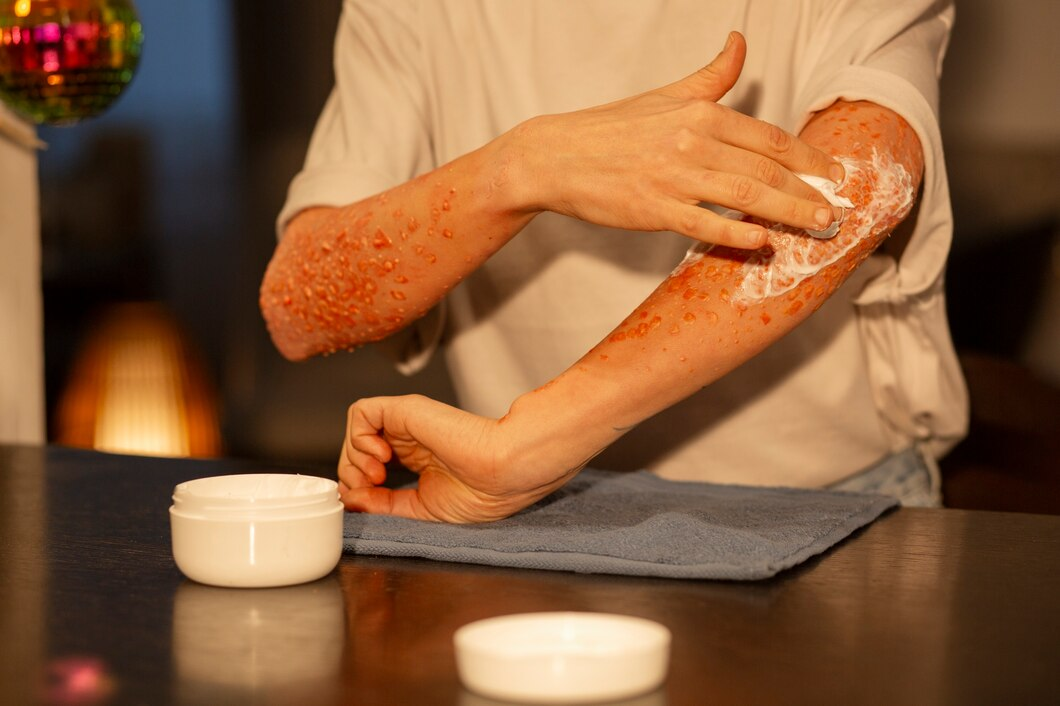
Eczema, also known as atopic dermatitis, is a chronic skin condition that causes dry, itchy, and inflamed skin. It is often triggered by environmental factors such as exposure to allergens or irritants, and can appear anywhere on the body.
Treatment for eczema typically involves the use of moisturizers and anti-inflammatory medications to reduce itching and inflammation. Over-the-counter options include products with ingredients like hydrocortisone, which can help to reduce redness and itching. Prescription options may include stronger topical corticosteroids or immunomodulators, which can help to reduce inflammation and prevent new outbreaks. In severe cases, phototherapy or oral medications may be necessary.
Rosacea
Rosacea is a chronic skin condition that causes redness and inflammation on the face, often around the nose, cheeks, and forehead. It is often triggered by environmental factors such as exposure to sunlight or wind, and can be worsened by certain foods and drinks.
Treatment for rosacea typically involves the use of medications to reduce inflammation and prevent new outbreaks. Over-the-counter options include products with ingredients like azelaic acid or metronidazole, which can help to reduce redness and inflammation. Prescription options may include topical or oral antibiotics, which can help to reduce inflammation and kill bacteria. In severe cases, laser therapy or phototherapy may be necessary.
Conclusion
In conclusion, skin conditions are common and can affect people of all ages. While some skin conditions are temporary and can be easily treated, others are chronic and may require ongoing management. By understanding the different types of skin conditions and their treatments, you can work with a healthcare professional to find a treatment plan that works for you.
skincare routine that works for one person may not work for another. It's important to understand your skin type and tailor your skincare routine accordingly to achieve healthy, glowing skin. By using the right products and ingredients, you can help to nourish, hydrate, and protect your skin, no matter what type it is.


Comments
Post a Comment