Psoriasis and Ethnic Skin: Considerations for Diverse Populations
Types and Categories of Psoriasis
Plaque Psoriasis
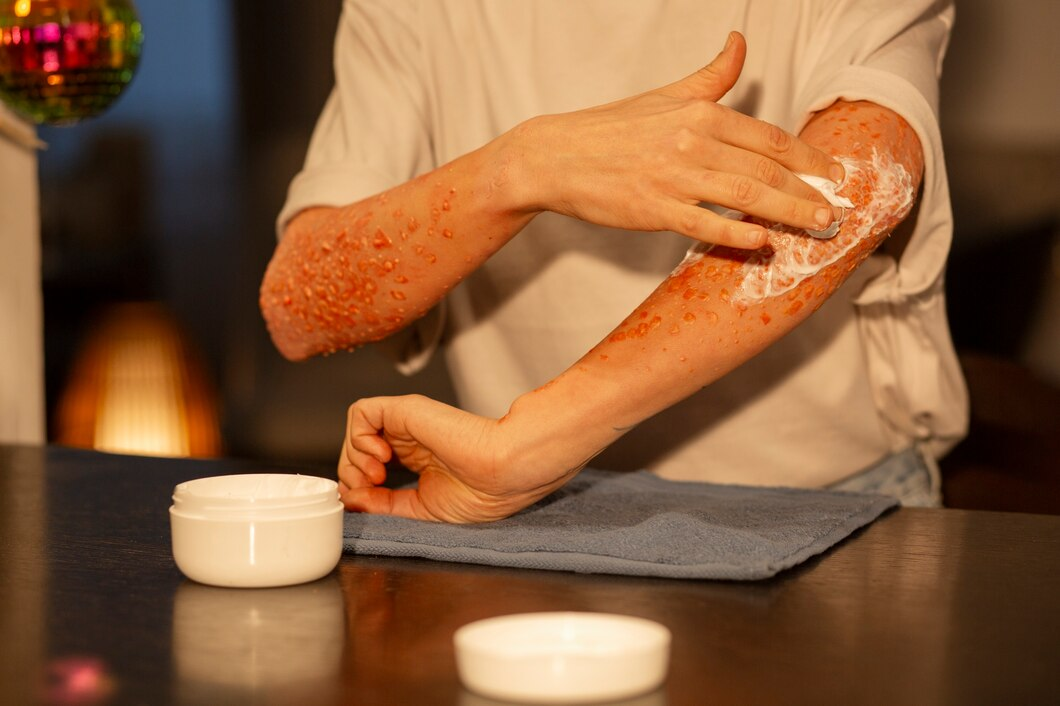
Plaque psoriasis is the most common form, accounting for about 80–90% of cases. It is characterized by raised, inflamed, red lesions covered with silvery white scales. These plaques typically appear on the elbows, knees, scalp, and lower back.

Guttate Psoriasis
Guttate psoriasis often starts in childhood or young adulthood. It appears as small, dot-like lesions on the trunk and limbs. This type is often triggered by bacterial infections, such as streptococcal throat infections.Click here for more information.
Inverse Psoriasis
Inverse psoriasis presents as smooth, red lesions that form in skin folds, such as under the breasts, in the groin, or around the buttocks. The friction and sweat in these areas make the condition particularly uncomfortable.
Pustular Psoriasis
Pustular psoriasis is characterized by white pustules (blisters of noninfectious pus) surrounded by red skin. It can be localized, typically on the hands and feet, or generalized, covering large areas of the body.
Erythrodermic Psoriasis
Erythrodermic psoriasis is a rare but severe form that leads to widespread redness and scaling over most of the body. This type can be life-threatening, requiring immediate medical attention.
Symptoms and Signs
Common Symptoms
Red patches of skin covered with thick, silvery scales
Dry, cracked skin that may bleed
Itching, burning, or soreness
Thickened, pitted, or ridged nails
Swollen and stiff joints
Uncommon Symptoms
Small scaling spots (commonly seen in children)
Pus-filled blisters (pustular psoriasis)
Extensive shedding of skin layers (erythrodermic psoriasis)
Symptom Variations Across Different Skin Tones
Psoriasis symptoms can present differently in varying skin tones. In lighter skin, psoriasis typically appears as red or pink patches with silvery scales. In darker skin tones, it may appear as violet or dark brown patches, and the scales might be more grayish. This variation can sometimes lead to misdiagnosis or delayed diagnosis in individuals with darker skin.
Causes and Risk Factors
Genetic Factors
Psoriasis has a strong genetic component. If one parent has psoriasis, their child has a 10% chance of developing the condition. This risk increases if both parents are affected.
Environmental Triggers
Common environmental triggers include:
Infections (especially streptococcal throat infections)
Skin injuries (cuts, scrapes, or severe sunburn)
Stress
Smoking and alcohol consumption
Lifestyle Factors
Obesity, diet, and lack of physical activity can exacerbate psoriasis symptoms. Maintaining a healthy lifestyle is crucial for managing the condition.
Risk Factors Specific to Ethnic Populations
Certain ethnic groups might have unique risk factors due to genetic variations or lifestyle differences. For instance, African Americans might have a higher prevalence of severe psoriasis, while Asians might experience different symptomatology and responses to treatment.
Diagnosis and Tests
Clinical Diagnosis
A dermatologist can often diagnose psoriasis based on the appearance of the skin. A detailed medical history and examination of the skin, scalp, and nails are crucial.
Skin Biopsy
A skin biopsy involves taking a small sample of skin and examining it under a microscope. This test can confirm the diagnosis and differentiate psoriasis from other skin disorders.
Imaging Tests
In some cases, imaging tests such as X-rays or MRI scans may be used to assess joint involvement, especially in psoriatic arthritis.
Differential Diagnosis in Ethnic Skin
Diagnosing psoriasis in ethnic skin can be challenging due to variations in symptom presentation. Conditions such as lichen planus, lupus, and sarcoidosis may mimic psoriasis, necessitating careful differential diagnosis.
Treatment Options
Topical Treatments
Corticosteroids: Reduce inflammation and slow skin cell turnover.
Vitamin D Analogues: Slow skin cell growth.
Retinoids: Promote the shedding of dead skin cells.
Calcineurin Inhibitors: Reduce inflammation and plaque formation.
Systemic Medications
Methotrexate: Suppresses the immune system to reduce inflammation.
Cyclosporine: An immunosuppressant used for severe cases.
Biologics: Target specific parts of the immune system (e.g., TNF inhibitors, IL-17 inhibitors).
Phototherapy
Exposure to ultraviolet (UV) light can slow skin cell turnover and reduce scaling and inflammation. Types of phototherapy include:
UVB Phototherapy: Narrowband UVB therapy is the most common form.
PUVA Therapy: Combines psoralen (a drug that makes the skin more sensitive to light) with UVA light.
Alternative Therapies
Dietary Supplements: Omega-3 fatty acids, vitamin D, and other supplements might help.
Herbal Remedies: Aloe vera, turmeric, and other herbal treatments.
Mind-Body Therapies: Stress reduction techniques such as yoga and meditation.
Treatment Considerations for Diverse Populations
Treatment plans should consider the specific needs of individuals with different skin tones. For example, some topical treatments might cause skin lightening, which can be more noticeable and concerning in darker skin. Phototherapy dosing may also need adjustment to prevent hyperpigmentation or burns.
Preventive Measures
Lifestyle Adjustments
Maintaining a healthy weight, reducing alcohol consumption, and quitting smoking can help manage psoriasis.
Skin Care Routines
Using gentle, moisturizing skin care products can help prevent flare-ups. Avoiding harsh soaps and hot showers is also recommended.
Avoiding Triggers
Identifying and avoiding personal triggers, such as certain foods, stressors, or medications, can reduce the frequency of flare-ups.
Preventive Measures Tailored to Ethnic Skin
Individuals with ethnic skin might benefit from using products specifically formulated for their skin type, such as those that address hyperpigmentation or increased sensitivity to certain ingredients.
Personal Stories or Case Studies
Case Study 1: Plaque Psoriasis on Darker Skin
John, a 35-year-old African American, has struggled with plaque psoriasis for over a decade. His symptoms include dark brown patches with gray scales on his elbows and knees. John has found that using a combination of topical corticosteroids and phototherapy helps manage his condition, although he needs to be cautious with phototherapy to avoid hyperpigmentation.
Case Study 2: Guttate Psoriasis on Lighter Skin
Emily, a 22-year-old Caucasian woman, developed guttate psoriasis after a streptococcal throat infection. She experiences small, red, dot-like lesions on her torso and arms. Topical treatments and stress management techniques have been effective in reducing her symptoms.
Expert Insights
Dermatologist Opinions on Treating Psoriasis in Ethnic Skin
Dr. Jane Smith, a dermatologist specializing in ethnic skin, emphasizes the importance of individualized treatment plans. “Understanding the unique presentation and response to treatments in different skin tones is crucial. Ethnic skin requires tailored approaches to prevent adverse effects such as hyperpigmentation.”
Latest Research Findings
Recent studies highlight the genetic and immunological differences in psoriasis among various ethnic groups. These findings underscore the need for more inclusive research to develop effective treatments for all populations.
Recommendations from Psoriasis Organizations
Organizations such as the National Psoriasis Foundation advocate for increased awareness and education about psoriasis in diverse populations. They recommend regular consultations with dermatologists experienced in treating ethnic skin.
Psoriasis and Ethnic Skin: Considerations for Diverse Populations FAQs
Q1. Does psoriasis affect all skin tones the same way?
No, psoriasis can appear differently on various skin tones. On lighter skin tones, psoriasis typically presents with red, inflamed patches with silvery white scales. On darker skin tones, the patches may appear purple, brown, or red, and the scales may be less noticeable. This difference can sometimes lead to misdiagnosis.
Q2. Are there any risk factors specific to certain ethnicities?
Yes, genetics play a role in psoriasis, and certain ethnicities may have a higher genetic predisposition. For example, people of Asian descent may be more prone to a specific type of psoriasis called guttate psoriasis, which often develops after a strep throat infection.
Q3. Do common psoriasis treatments work the same for all skin tones?
While many psoriasis treatments are effective across ethnicities, some topical medications can cause more irritation or hypopigmentation (lightening of the skin) on darker skin tones. A dermatologist can recommend treatments that are most appropriate for your skin type and ethnicity.
Q4. Are there cultural considerations for managing psoriasis?
Yes, cultural factors can influence how people with psoriasis view and manage their condition. For example, some cultures may place a greater emphasis on natural remedies, while others may prioritize religious or spiritual practices for healing. It is important to discuss all your options with a healthcare provider who is sensitive to your cultural background.
Conclusion:
Psoriasis is a complex condition with varying presentations and treatment responses across different ethnic groups. Understanding these differences is essential for effective management and improved patient outcomes. Personalized care, informed by the latest research and expert insights, can help individuals with psoriasis lead healthier, more comfortable lives. For further education and support, patients and healthcare providers should seek out resources and continue the conversation about psoriasis in diverse populations.

Comments
Post a Comment