Psoriasis and Exercise: Benefits and Precautions
Understanding Psoriasis
What is Psoriasis?
Psoriasis is a long-lasting autoimmune disease characterized by patches of abnormal skin. These skin patches are typically red, itchy, and scaly. The severity can range from small, localized patches to complete body coverage. There are several types of psoriasis, each with unique symptoms and triggers.

Types of Psoriasis
Plaque Psoriasis: The most common form, causing dry, red skin lesions (plaques) covered with silvery scales.
Guttate Psoriasis: Appears as small, dot-like lesions. It often starts in childhood or young adulthood.
Inverse Psoriasis: Affects skin folds, causing smooth, red patches.
Pustular Psoriasis: Characterized by white pustules surrounded by red skin.
Erythrodermic Psoriasis: The least common type, causing widespread redness and can cover the entire body.Click here for more information.
Symptoms and Signs
Red patches of skin covered with thick, silvery scales
Dry, cracked skin that may bleed
Itching, burning, or soreness
Thickened or ridged nails
Swollen and stiff joints
Causes and Risk Factors
Genetics: Family history plays a significant role.
Immune System: Psoriasis involves an immune system problem that causes skin cells to regenerate at a faster-than-normal rate.
Triggers: Infections, stress, cold weather, smoking, and heavy alcohol consumption can trigger or worsen the condition.
Benefits of Exercise for Psoriasis
Physical Benefits
Weight Management: Helps in maintaining a healthy weight, reducing the severity of psoriasis.
Improved Cardiovascular Health: Enhances heart health, which is crucial since psoriasis patients have a higher risk of heart disease.
Strength and Flexibility: Improves muscle strength and joint flexibility, reducing the risk of psoriatic arthritis.
Psychological Benefits
Stress Reduction: Physical activity can reduce stress, a known trigger for psoriasis flare-ups.
Mood Enhancement: Exercise releases endorphins, improving mood and potentially reducing the severity of depression and anxiety associated with psoriasis.
Better Sleep: Regular exercise promotes better sleep patterns, which can positively affect overall health and psoriasis management.
Precautions for Exercising with Psoriasis
Choosing the Right Exercise
Low-Impact Activities: Swimming, cycling, and walking can be gentler on the joints and skin.
Stretching and Flexibility Exercises: Yoga and pilates can enhance flexibility without excessive strain.
Strength Training: Using light weights or resistance bands to improve muscle tone without exacerbating joint pain.
Skin Care Tips
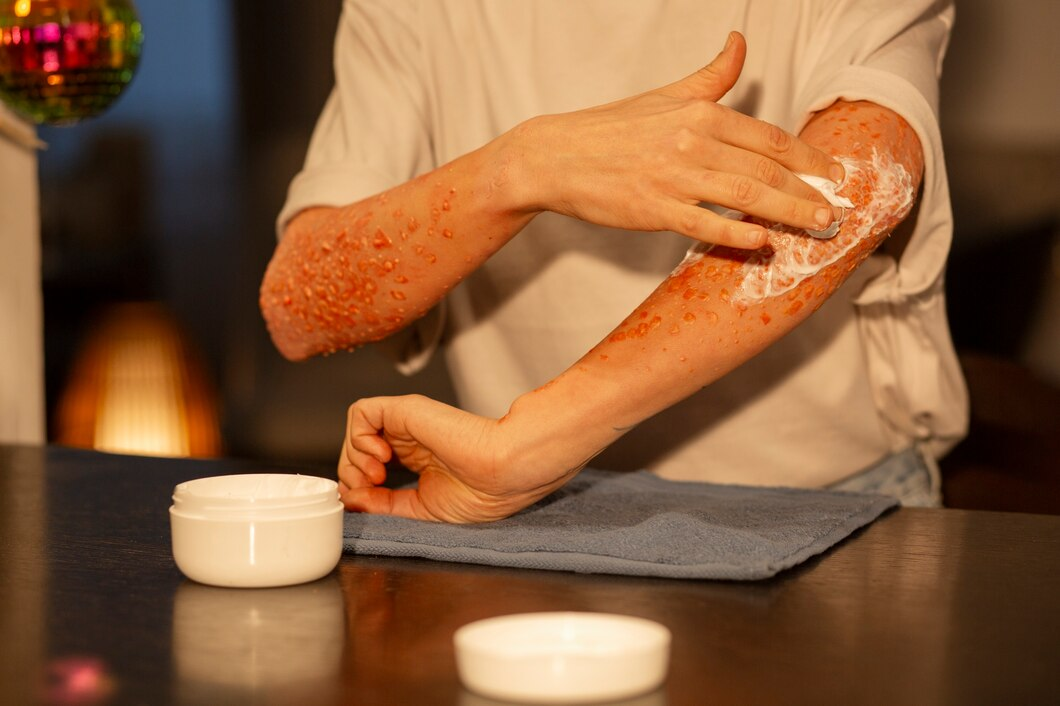
Moisturize Regularly: Apply moisturizer before and after exercise to prevent dryness and irritation.
Shower Promptly: Shower immediately after exercising to remove sweat and reduce the risk of skin irritation.
Wear Breathable Clothing: Opt for loose-fitting, moisture-wicking fabrics to keep the skin dry and reduce friction.
Managing Flare-Ups
Modify Your Routine: Adjust the intensity and type of exercise during flare-ups to avoid exacerbating symptoms.
Stay Hydrated: Drink plenty of water to keep the skin hydrated.
Consult Your Doctor: Before starting a new exercise regimen, consult with a healthcare provider to tailor activities to your specific needs.
Real-Life Stories
Personal Accounts
John’s Journey: “Incorporating swimming into my routine has significantly improved my psoriasis. The cool water soothes my skin, and the low-impact nature of swimming doesn’t aggravate my joints.”
Emma’s Experience: “Yoga has been a game-changer for me. The emphasis on flexibility and relaxation helps reduce my stress levels, which in turn helps manage my psoriasis.”
Expert Insights
Medical Professionals’ Advice
Dermatologist Perspective: Dr. Jane Smith emphasizes the importance of regular moisturizing and gentle exercise. “Patients should focus on activities that promote cardiovascular health without causing skin irritation.”
Rheumatologist Insight: Dr. Mark Johnson recommends low-impact exercises to prevent joint pain. “Staying active is crucial for overall health, but it’s important to listen to your body and avoid overexertion.”
Psoriasis and Exercise: Benefits and Precautions FAQs
1. How can exercise benefit psoriasis?
Exercise offers several benefits for psoriasis, including:
Reduced inflammation: Physical activity helps reduce overall inflammation in the body, which can improve psoriasis symptoms.
Stress management: Exercise is a great way to manage stress, which can be a trigger for psoriasis flare-ups.
Improved overall health: Exercise promotes weight management, improves cardiovascular health, and boosts mood — all of which can positively impact psoriasis.
Improved self-esteem: Regular exercise can enhance self-esteem and body image, which can be affected by psoriasis.
2. What types of exercise are best for psoriasis?
Most forms of exercise are beneficial for psoriasis. Here are some good options:
Aerobic exercise: Activities like brisk walking, swimming, cycling, or dancing can help reduce inflammation.
Strength training: Building muscle mass can improve overall well-being and potentially reduce inflammation.
Low-impact exercise: Activities like yoga, Pilates, or tai chi can be beneficial for managing stress and improving flexibility.
Precautions for Exercising with Psoriasis:
3. Are there any precautions to take when exercising with psoriasis?
While exercise is generally beneficial, some precautions are important:
Avoid friction and irritation: Opt for loose-fitting, breathable clothing to minimize friction on psoriatic plaques.
Listen to your body: Don’t push yourself too hard, especially if you’re new to exercise. Take rest days and avoid activities that worsen symptoms.
Moisturize: Keep your skin hydrated to prevent cracking and irritation, especially after exercise.
Be mindful of sun exposure: If you use photosensitizing medications or have light-sensitive skin, be sure to wear sunscreen during outdoor activities.
4. What should I do if exercise triggers a flare-up?
If exercise triggers a flare-up, discuss it with your doctor. They may recommend modifying your exercise routine, trying a different type of activity, or adjusting your medication regimen.
Conclusion
Psoriasis, while a challenging condition, can be managed effectively with the right combination of medical treatment and lifestyle adjustments. Exercise plays a pivotal role in maintaining overall health and well-being. By choosing appropriate physical activities and following essential skin care precautions, individuals with psoriasis can reap the benefits of an active lifestyle while minimizing the risk of flare-ups and complications.


Comments
Post a Comment