The Role of Stress in Eczema Flare-ups
1.Understanding Eczema:
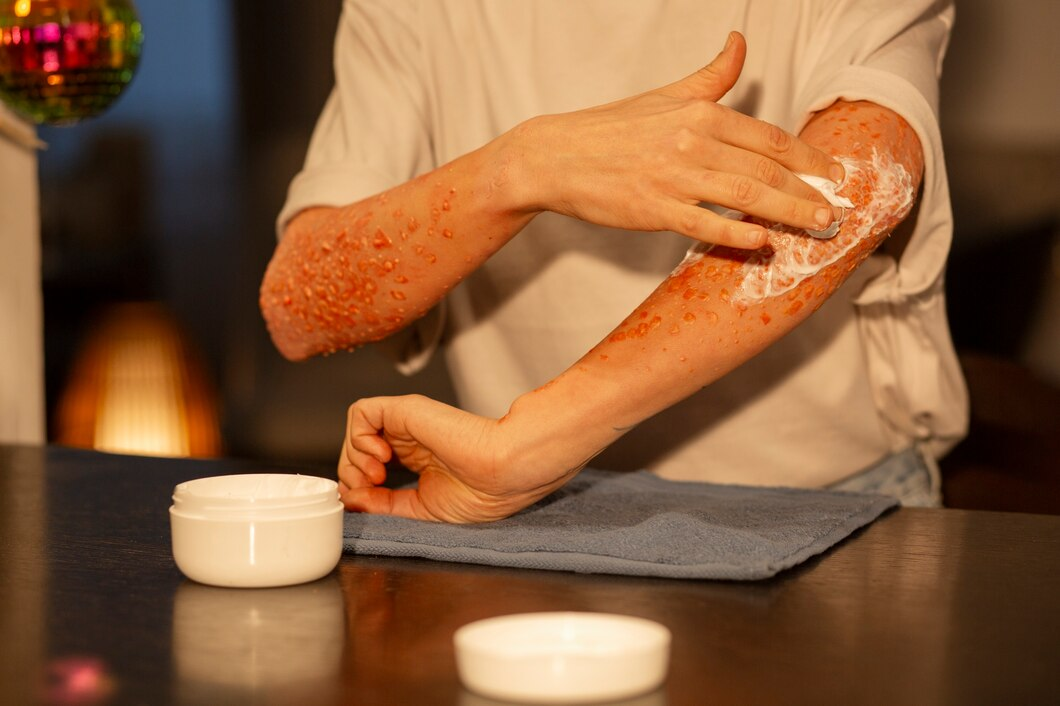
Eczema, also known as atopic dermatitis, is a chronic skin condition characterized by itchy, inflamed skin. It affects millions of people worldwide, manifesting as red, swollen, and sometimes blistered patches on the skin. While the exact cause of eczema is not entirely understood, it is widely accepted that a combination of genetic, environmental, and immunological factors plays a significant role. One of the critical environmental factors that can exacerbate eczema symptoms is stress.

2.The Connection Between Stress and Eczema:
Research has consistently shown that stress can significantly impact eczema. When the body is under stress, it releases hormones such as cortisol and adrenaline. These stress hormones can trigger an inflammatory response in the skin, leading to eczema flare-ups. Additionally, stress can weaken the immune system, making the skin more susceptible to irritants and allergens, which can further aggravate eczema symptoms.Click here to visit more..
3.How Stress Triggers Eczema Flare-ups.
3.1 Hormonal Imbalance: During periods of stress, the body’s hormonal balance is disrupted. Elevated levels of cortisol can suppress the immune system and disrupt the skin’s barrier function, making it easier for irritants and allergens to penetrate the skin and cause inflammation.
3.2 Immune System Response: Stress affects the body’s immune response. A weakened immune system is less capable of fighting off infections and managing inflammation, leading to more frequent and severe eczema outbreaks.
3.3 Behavioral Factors: Stress can lead to behaviors that exacerbate eczema. For example, individuals under stress may neglect their skincare routines, indulge in unhealthy eating habits, or experience sleep disturbances, all of which can contribute to worsening eczema symptoms.
4.The Biological Mechanisms Linking Stress and Eczema.
To fully comprehend the role of stress in eczema, it is essential to delve into the biological mechanisms at play:
Neuroendocrine System: The neuroendocrine system, which includes the hypothalamus, pituitary gland, and adrenal glands, plays a crucial role in the stress response. When stressed, the hypothalamus releases corticotropin-releasing hormone (CRH), which stimulates the pituitary gland to release adrenocorticotropic hormone (ACTH). ACTH then prompts the adrenal glands to produce cortisol. This cascade of hormonal activity can lead to inflammation in the skin.
Psychoneuroimmunology: This field of study explores how psychological stress can affect the immune system and subsequently impact skin conditions like eczema. Stress-induced changes in the nervous system can alter immune responses, increasing the release of pro-inflammatory cytokines that exacerbate eczema symptoms.
5.Psychological Stress and Skin Barrier Dysfunction.
Stress not only affects the internal immune response but also has a direct impact on the skin’s barrier function. The skin barrier is essential for protecting against environmental irritants and retaining moisture. Stress can compromise this barrier in several ways:
Reduced Lipid Production: Stress decreases the production of lipids in the skin, which are crucial for maintaining its barrier function. A lack of lipids can lead to dry, cracked skin, making it more prone to irritation and infection.
Impaired Skin Repair Mechanisms: Chronic stress impairs the skin’s ability to repair itself. The normal process of shedding dead skin cells and regenerating new ones is disrupted, leading to an accumulation of damaged cells and worsening eczema symptoms.
6.Managing Stress to Prevent Eczema Flare-ups.
Given the significant impact of stress on eczema, stress management is a critical component of eczema treatment. Here are some effective strategies:
6.1 Mindfulness and Relaxation Techniques: Practices such as meditation, yoga, and deep breathing exercises can help reduce stress levels and promote relaxation. These techniques can lower cortisol levels and improve overall mental health, leading to fewer eczema flare-ups.
6.2 Regular Physical Activity: Exercise is a powerful stress reliever. Engaging in regular physical activity can help reduce stress hormones, improve immune function, and enhance skin health.
6.3 Adequate Sleep: Ensuring sufficient and quality sleep is essential for managing stress. Poor sleep can elevate stress levels and weaken the immune system, exacerbating eczema symptoms. Establishing a regular sleep routine and creating a conducive sleep environment can be beneficial.
6.4 Healthy Diet: A balanced diet rich in anti-inflammatory foods can help manage stress and improve skin health. Omega-3 fatty acids, found in fish and flaxseed, and antioxidants, found in fruits and vegetables, can reduce inflammation and support the immune system.
6.5 Professional Support: Seeking help from a mental health professional can be invaluable for individuals struggling with chronic stress. Cognitive-behavioral therapy (CBT) and other therapeutic approaches can provide tools to manage stress more effectively.
FAQs About the Role of Stress in Eczema Flare-ups
1. What is eczema?
Eczema, or atopic dermatitis, is a chronic skin condition that results in itchy, inflamed, and red patches of skin. It is often seen in individuals with a family history of allergies or asthma.
2. How does stress affect eczema?
Stress can trigger eczema flare-ups by releasing hormones like cortisol that weaken the immune system and increase inflammation in the skin. Stress also disrupts the skin’s barrier function, making it more susceptible to irritants and allergens.
3. Why does my eczema get worse when I’m stressed?
During stress, the body’s production of cortisol increases, which can suppress the immune system and disrupt the skin’s natural repair processes. This makes the skin more prone to inflammation and irritation, leading to worsening eczema symptoms.
4. Can psychological stress alone cause eczema?
While stress alone may not cause eczema, it can significantly worsen existing symptoms and trigger flare-ups in individuals already predisposed to the condition.
5. How can I manage stress to prevent eczema flare-ups?
Effective stress management strategies include mindfulness practices, regular exercise, adequate sleep, a healthy diet, and seeking support from mental health professionals. Techniques like meditation, yoga, and deep breathing exercises can also be beneficial.
6. Are there specific foods that can help reduce stress and improve eczema?
Yes, a diet rich in anti-inflammatory foods can help manage stress and improve eczema. Foods high in omega-3 fatty acids, like fish and flaxseed, and antioxidants, found in fruits and vegetables, can reduce inflammation and support overall skin health.
7. How does sleep affect eczema and stress?
Poor sleep can elevate stress levels and weaken the immune system, leading to more frequent and severe eczema flare-ups. Ensuring sufficient, quality sleep helps manage stress and supports the body’s natural healing processes.
Conclusion:
The interplay between stress and eczema is complex and multifaceted. Understanding how stress influences eczema flare-ups is crucial for developing effective management strategies. By addressing both the psychological and physiological aspects of stress, individuals with eczema can achieve better control over their symptoms and improve their overall quality of life. Implementing stress reduction techniques, maintaining a healthy lifestyle, and seeking professional support when needed can significantly mitigate the impact of stress on eczema.


Comments
Post a Comment