Skin Brightening Treatments: Chemical Peels and Laser Options - Unveiling a Brighter You
Understanding Skin Brightening: The Science Behind the Glow
Before diving into specific treatments, let's understand the underlying cause of uneven skin tone - melanin. Melanin is a pigment produced by skin cells called melanocytes, responsible for our skin color. Sun exposure, hormonal fluctuations, and certain medications can trigger excess melanin production, leading to hyperpigmentation. This manifests as dark spots, sunspots, age spots, or overall skin darkening.

Skin brightening treatments target melanin production in two ways:
Exfoliation: Removing the topmost layers of skin containing excess melanin.
Melanin Inhibition: Suppressing the activity of melanocytes to reduce future pigmentation.
Chemical Peels: A Controlled Exfoliation for Brighter Skin
Chemical peels are non-surgical procedures that utilize various acidic solutions to exfoliate the skin. The chosen acid strength determines the depth of penetration and the intensity of the results.
Types of Chemical Peels:
Superficial Peels (Light Peels): Ideal for mild hyperpigmentation and uneven skin tone. These peels use gentle acids like alpha hydroxy acids (AHAs) or beta hydroxy acids (BHAs) to remove dead skin cells and stimulate cell turnover. They require minimal downtime and are suitable for most skin types.
Medium Peels: Address moderate hyperpigmentation, sun damage, and fine lines. These peels use trichloroacetic acid (TCA) or salicylic acid in higher concentrations, leading to deeper exfoliation and potentially a week of downtime.
Deep Peels (Phenol Peels): Reserved for severe hyperpigmentation and deep wrinkles. These peels use phenol, a powerful acid, to remove the entire epidermis (outer layer) and some of the dermis (middle layer) of the skin. Due to their invasive nature, deep peels require extensive recovery time and involve a higher risk of side effects.Join our Blog.
Benefits of Chemical Peels:
Effective in treating mild to moderate hyperpigmentation, sun damage, and uneven skin tone.
Improves overall skin texture and appearance.
Stimulates collagen production for a firmer, more youthful appearance.
Relatively affordable compared to laser treatments.
Disadvantages of Chemical Peels:
Not suitable for all skin types, particularly those with sensitive skin.
Risk of post-inflammatory hyperpigmentation (PIH), especially in darker skin tones.
Limited improvement for deep wrinkles and scars.
Requires proper sun protection after treatment to prevent further pigmentation.
Laser Treatments: Precise Targeting for Advanced Skin Brightening
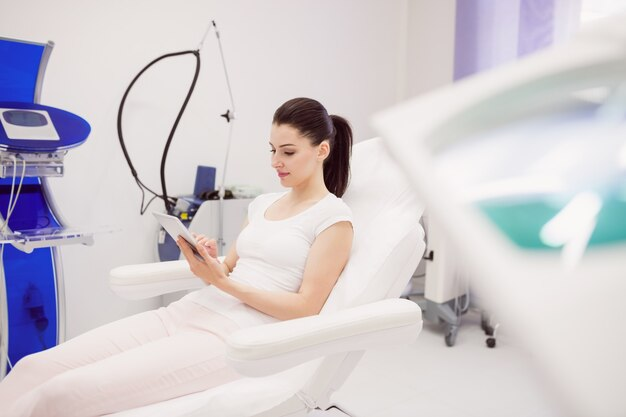
Laser treatments utilize concentrated beams of light to target specific areas of the skin. Different wavelengths address various concerns, including hyperpigmentation.
Types of Lasers for Skin Brightening:
Q-Switched Nd:YAG Laser: This laser effectively targets pigmented lesions like sunspots, age spots, and freckles. It breaks down melanin clusters into smaller fragments, allowing the body to naturally eliminate them.
Fractional CO2 Laser: This laser creates microscopic columns of injury in the skin, triggering collagen production and cell renewal. It can improve skin texture, reduce wrinkles, and address hyperpigmentation.
IPL (Intense Pulsed Light): IPL therapy uses broad-spectrum light to target various skin concerns, including hyperpigmentation. It works by heating and damaging melanin-producing cells, leading to a gradual lightening effect.
Benefits of Laser Treatments:
Precise targeting of pigmented areas for more controlled results.
Effective for treating stubborn hyperpigmentation, sun damage, and deep wrinkles.
Offers faster visible improvements compared to some chemical peels.
Can stimulate collagen production for a youthful appearance.
Disadvantages of Laser Treatments:
Generally more expensive than chemical peels.
Higher risk of side effects, such as temporary redness, swelling, and scarring.
May require multiple sessions for optimal results.
Not suitable for all skin types, especially those with very dark complexions.
Choosing the Right Treatment: Chemical Peels vs. Lasers (Continued)
Skin Type: Sensitive skin might be better suited for a gentle chemical peel, while lasers often work well for normal to oily skin types. Consulting a dermatologist for a personalized assessment is crucial for darker skin tones to minimize the risk of PIH.
Desired Results: If you seek mild skin brightening and improved texture, a chemical peel might do the trick. For stubborn pigmentation, deeper wrinkles, or a more dramatic transformation, laser therapy is a stronger option.
Cost and Recovery Time: Chemical peels are generally more affordable and require less downtime. Laser treatments can be more expensive and involve a longer recovery period.
Overall Health: Certain medical conditions or medications might preclude certain treatments. Always disclose your complete medical history during a consultation.
Frequently Asked Questions (FAQs)
Q1: Are chemical peels or laser treatments painful?
Chemical peels can cause a tingling or burning sensation during application, depending on the strength of the solution. Laser treatments may require a topical anesthetic cream to minimize discomfort.
Q2: What are the potential side effects of these treatments?
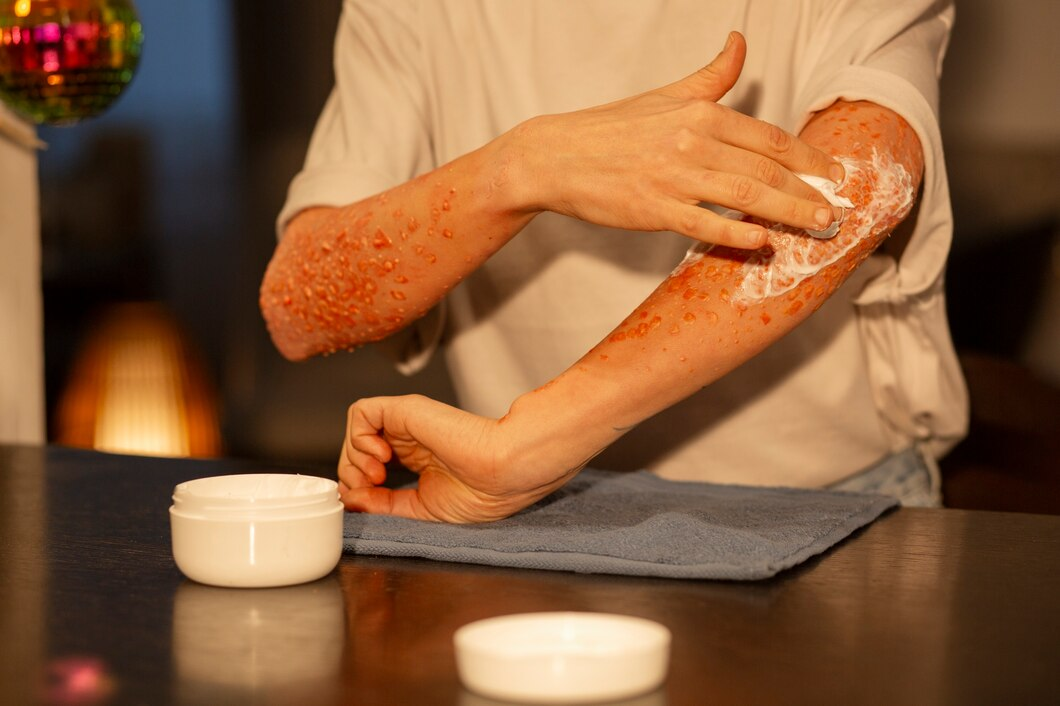
Chemical peels can cause temporary redness, peeling, and irritation. Lasers can lead to temporary redness, swelling, and crusting. Both treatments carry a risk of post-inflammatory hyperpigmentation (PIH), especially with improper sun protection. Scarring is a rare but potential complication with deeper treatments.
Q3: How long will the results of these treatments last?
The longevity of results depends on the severity of the concern treated, your skin type, and sun exposure. Maintaining a consistent skincare regimen with broad-spectrum sunscreen is crucial to maximize the benefits and prevent hyperpigmentation from recurring.
Q4: Can I combine chemical peels and laser treatments?
In some cases, a dermatologist might recommend a combination approach for optimal results. However, proper spacing between treatments is essential to allow the skin to heal.
Q5: Who is not a good candidate for chemical peels or laser treatments?
Individuals with active acne, open wounds, or certain skin conditions may not be suitable candidates. Pregnant or breastfeeding women should also avoid these treatments. Always consult a dermatologist to determine if these options are safe for you.
Conclusion:
Embracing a radiant, even-toned complexion is within reach. Chemical peels and laser treatments offer powerful solutions to target hyperpigmentation and achieve a brighter, more youthful appearance. Understanding the mechanisms of each treatment, their benefits and drawbacks, and consulting a qualified dermatologist are key steps to making an informed decision. Remember, achieving and maintaining a healthy glow requires consistent skincare practices alongside these treatments. So, take control of your skin's destiny and unveil a brighter, more confident you!

Comments
Post a Comment