Understanding Eczema: Types, Triggers, and Treatments
Eczema, a chronic skin condition characterized by inflammation and irritation, affects people of all ages and backgrounds. This article aims to deepen our understanding of eczema by exploring its various types, common triggers, and effective treatment strategies.

Types of Eczema
Eczema encompasses several types, each with unique characteristics. Atopic dermatitis, contact dermatitis, and dyshidrotic eczema are among the common forms, presenting with varied symptoms and affecting different areas of the skin.
Triggers for Eczema
Eczema flare-ups can be triggered by a combination of environmental and internal factors. Changes in weather, exposure to allergens, stress, and hormonal fluctuations are known triggers that can exacerbate eczema symptoms.
Understanding the Role of Genetics
Genetics plays a significant role in eczema development. Individuals with a family history of eczema are more likely to experience the condition themselves. Recognizing this genetic predisposition helps tailor effective preventive measures.
Effective Skincare for Eczema
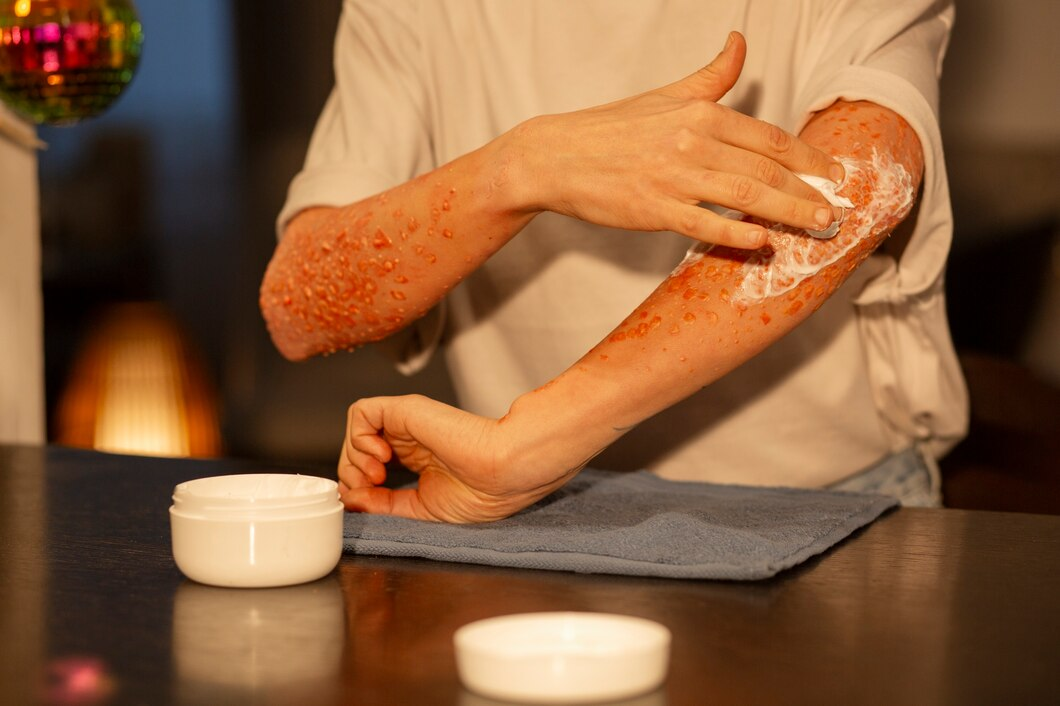
Establishing a gentle and consistent skincare routine is crucial for managing eczema. This includes using mild cleansers, regular moisturizing, and selecting products specifically designed for sensitive and eczema-prone skin.
Diet and Eczema Connection
While the relationship between diet and eczema is complex and varies among individuals, some may find relief by avoiding certain trigger foods and incorporating nutrients that support skin health.
Managing Stress for Eczema Relief
Stress is a known trigger for eczema flare-ups. Implementing stress reduction techniques, such as meditation, yoga, or mindfulness, can contribute to overall eczema management and symptom control.
Over-the-Counter (OTC) Treatments for Eczema
For mild symptoms, over-the-counter options like moisturizers and hydrocortisone creams can provide relief. Understanding product labels and selecting suitable OTC products is essential.
Prescription Medications and Eczema
In more severe cases, prescription treatments like topical corticosteroids, immunosuppressants, or biologics may be recommended. Consultation with a healthcare provider is crucial for personalized treatment plans and monitoring.
Holistic Approaches to Eczema Management
Integrating complementary therapies such as acupuncture or natural remedies, along with lifestyle changes like maintaining a balanced diet and regular exercise, contributes to holistic eczema management.
Avoiding Common Eczema Triggers
Identifying and minimizing exposure to common triggers like harsh soaps, certain fabrics, and environmental allergens is essential. Creating eczema-safe environments at home and work helps prevent flare-ups.
Dispelling Myths About Eczema
Addressing misconceptions about eczema, such as the belief that it's contagious or only affects children, fosters a better understanding of the condition. Providing evidence-based information helps dispel myths.
Support Networks for Individuals with Eczema
Connecting with online or local eczema communities allows individuals to share experiences, gain insights, and find emotional support in their eczema journey.
Eczema in Different Age Groups
Understanding the unique challenges and considerations for managing eczema in infants, children, and adults ensures tailored approaches that address specific needs in each age group.
Conclusion
In conclusion, a comprehensive understanding of eczema involves recognizing its various types, understanding triggers, and adopting effective treatment strategies. By being proactive and tailoring approaches to individual needs, individuals can better manage and control eczema, leading to improved skin health.
FAQs
1. Can eczema be cured completely?
While there is no cure for eczema, effective management strategies can significantly reduce symptoms and improve skin health.
2. Are all types of eczema itchy?
Itching is a common symptom of many types of eczema, but its intensity may vary. Consulting with a healthcare provider helps address specific symptoms.
3. Can stress alone cause eczema?
Stress can trigger eczema flare-ups in some individuals, but it's not the sole cause. Managing stress is one aspect of holistic eczema care.
4. Is eczema contagious?
Eczema is not contagious; it's a non-infectious skin condition. Understanding this fact helps dispel misconceptions.
5. How can parents help children with eczema?
Parents can support children with eczema by maintaining a consistent skincare routine, identifying triggers, and providing emotional support. Consulting with a pediatrician is crucial for effective management.


Comments
Post a Comment