Fractional Laser Therapy: Resurfacing with Minimal Downtime
How Fractional Laser Therapy Works
Fractional laser therapy uses a laser beam divided into thousands of microscopic treatment zones that target a fraction of the skin at a time, hence the name “fractional.” This technique is akin to enhancing a photo digitally pixel by pixel, allowing for precision and control. The laser penetrates deep into the skin layers, creating controlled thermal damage, which in turn triggers the body’s natural healing process. This process leads to the production of new collagen and elastin, essential proteins that keep the skin firm and youthful.

Types of Fractional Lasers
There are two primary types of fractional lasers: ablative and non-ablative. Each has its unique mechanism and benefits:Click here for more information.
Ablative Fractional Lasers
Ablative fractional lasers work by removing the outer layers of the skin. This type of laser is particularly effective for treating more severe skin issues, such as deep wrinkles and significant sun damage. The downtime associated with ablative lasers is typically longer, but the results can be more dramatic.
Non-Ablative Fractional Lasers
Non-ablative fractional lasers, on the other hand, do not remove the outer skin layer. Instead, they heat the underlying skin tissue to stimulate collagen production. Non-ablative lasers are ideal for treating minor skin imperfections with minimal downtime, making them a popular choice for individuals with busy lifestyles.
Benefits of Fractional Laser Therapy
Fractional laser therapy offers a plethora of benefits, making it a preferred choice for many seeking skin rejuvenation:
Minimal Downtime
One of the most significant advantages of fractional laser therapy is the minimal downtime. Unlike traditional laser treatments that require extensive recovery periods, fractional lasers allow patients to resume their normal activities relatively quickly.
Customizable Treatment
Fractional laser therapy is highly customizable. Depending on the specific skin concerns and the desired results, the intensity and depth of the laser treatment can be adjusted. This flexibility ensures that each patient receives a tailored treatment plan that meets their unique needs.
Improvement of Skin Texture and Tone
Fractional laser therapy is highly effective in improving overall skin texture and tone. It can reduce the appearance of fine lines, wrinkles, and scars, resulting in smoother, more youthful-looking skin. Additionally, it can help in evening out skin tone by addressing hyperpigmentation and other discolorations.
Stimulates Collagen Production
The stimulation of collagen production is a key benefit of fractional laser therapy. Collagen is a vital protein that provides structure and elasticity to the skin. By promoting collagen synthesis, fractional lasers help to maintain firm, plump, and youthful skin.
Ideal Candidates for Fractional Laser Therapy
Fractional laser therapy is suitable for a wide range of individuals. Ideal candidates include those looking to address:
Fine lines and wrinkles
Acne scars
Sun damage
Hyperpigmentation
Uneven skin texture
It is important for candidates to have realistic expectations and to consult with a qualified dermatologist or cosmetic surgeon to determine if fractional laser therapy is the right option for their skin type and concerns.
The Treatment Process
Consultation
The first step in the fractional laser therapy process is a thorough consultation with a qualified professional. During this consultation, the practitioner will assess the patient’s skin type, concerns, and medical history to develop a personalized treatment plan.
Preparation
Before the procedure, the skin is typically cleaned, and a topical anesthetic may be applied to minimize discomfort. Protective eyewear is also provided to shield the eyes from the laser.
Procedure
During the procedure, the laser is passed over the targeted areas of the skin. Patients may experience a mild tingling or warmth, but the procedure is generally well-tolerated. The duration of the treatment depends on the size of the area being treated, typically ranging from 15 minutes to an hour.
Post-Treatment Care
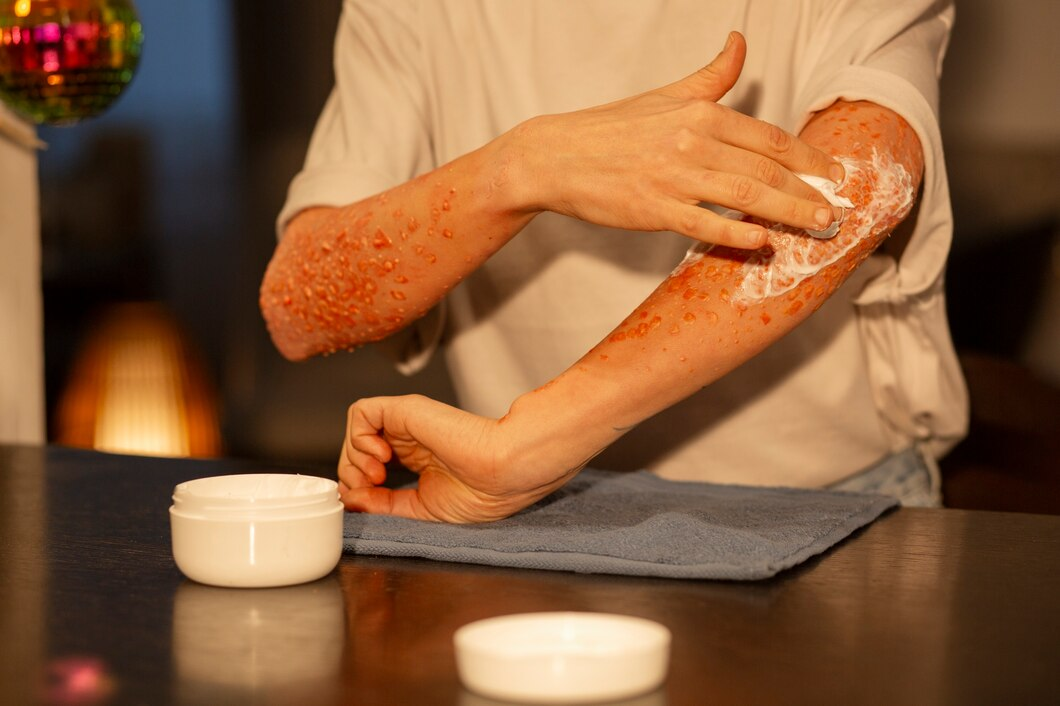
After the treatment, the skin may appear red and swollen, similar to a mild sunburn. It is essential to follow post-treatment care instructions provided by the practitioner to ensure optimal healing and results. This may include applying soothing creams, avoiding direct sunlight, and refraining from using certain skincare products.
Potential Side Effects and Risks
While fractional laser therapy is generally safe, it is not without potential side effects. Common side effects include:
Redness and swelling
Dryness and flaking
Temporary darkening of the treated areas
In rare cases, more severe complications such as infection, scarring, or changes in skin pigmentation can occur. It is crucial to choose an experienced and qualified practitioner to minimize these risks.
Expected Results
The results of fractional laser therapy can be seen gradually as the skin heals and new collagen is produced. Patients typically notice improvements in skin texture, tone, and overall appearance within a few weeks. For optimal results, multiple treatment sessions may be recommended.
Frequently Asked Questions (FAQs)
Q1:What is fractional laser therapy?
Fractional laser therapy is a skin resurfacing technique that uses a laser to create microscopic treatment zones in the skin. This stimulates collagen production and promotes the growth of new, healthy skin cells.
Q2:How does fractional laser therapy work?
The laser penetrates deep into the skin, creating controlled thermal damage. This triggers the body’s natural healing process, leading to the production of new collagen and elastin.
Q3:What are the different types of fractional lasers?
There are two primary types: ablative and non-ablative. Ablative lasers remove the outer skin layer for more severe issues, while non-ablative lasers heat the underlying skin tissue without removing the outer layer, suitable for minor imperfections.
Q4:What are the benefits of fractional laser therapy?
Benefits include minimal downtime, customizable treatment, improved skin texture and tone, and stimulated collagen production.
Q5:Who is an ideal candidate for fractional laser therapy?
Ideal candidates are those looking to address fine lines, wrinkles, acne scars, sun damage, hyperpigmentation, and uneven skin texture.
Q6:What is the treatment process like?
The process includes a consultation, preparation with a topical anesthetic, the procedure itself, and post-treatment care. The procedure duration varies from 15 minutes to an hour.
Q7:What are the potential side effects and risks?
Common side effects include redness, swelling, dryness, and temporary darkening of the skin. Rare complications can include infection, scarring, and changes in skin pigmentation.
Q8:When can I expect to see results?
Results are typically visible within a few weeks as the skin heals and new collagen is produced. Multiple sessions may be recommended for optimal results.
Conclusion:
Fractional laser therapy is a highly effective and versatile treatment option for those looking to rejuvenate their skin with minimal downtime. By targeting specific skin concerns with precision, fractional lasers offer customizable solutions that cater to individual needs. Whether addressing fine lines, wrinkles, scars, or hyperpigmentation, fractional laser therapy can help achieve a smoother, more youthful complexion.


Comments
Post a Comment